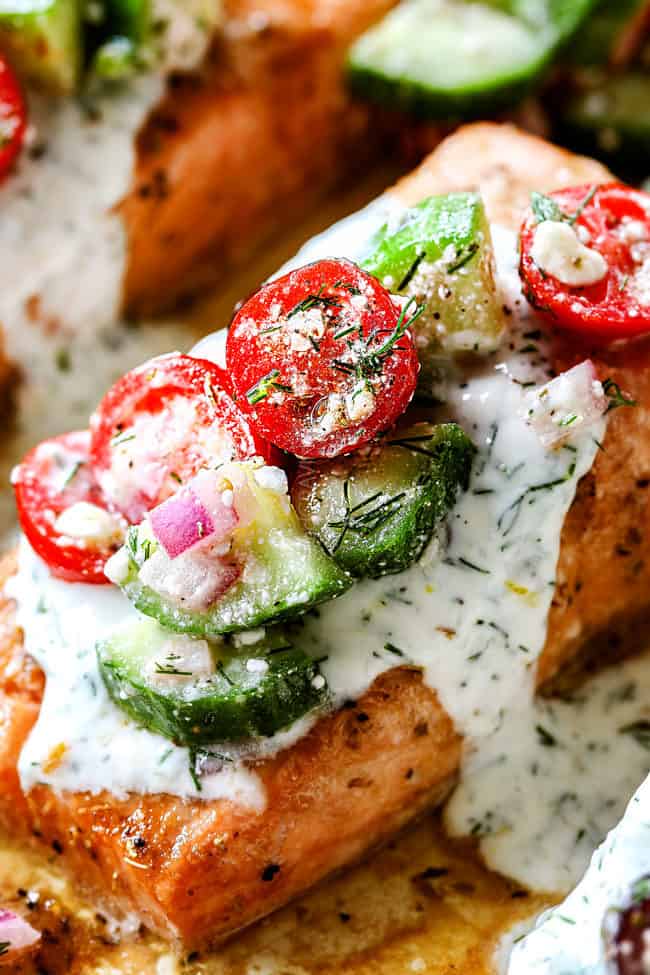
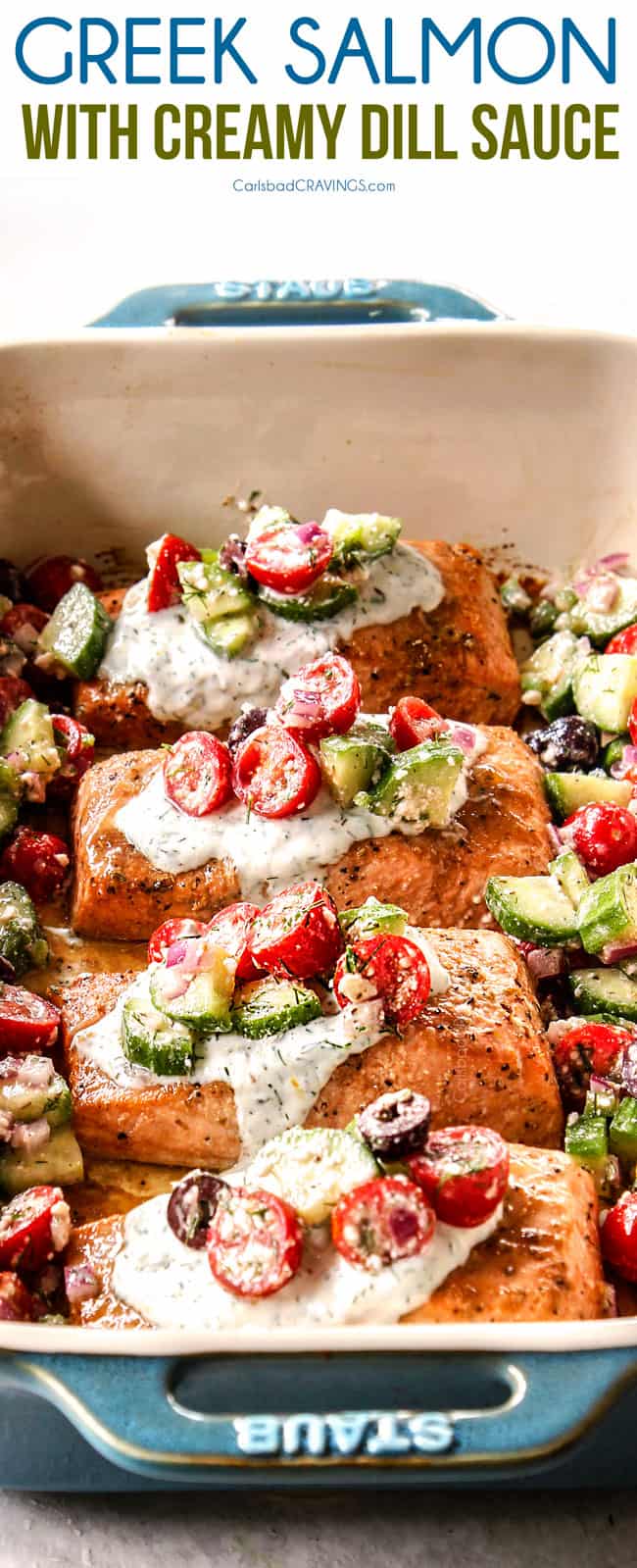
This baked salmon with dill sauce is a restaurant-level symphony of Greek flavors that has readers raving: “WOW! This recipe is AMAZING!” “Absolutely delicious!” “Awesome recipe…one of our favs” and “My new favorite way to eat salmon! SOOOO fresh, delicious and full of flavor! It’s like the Mediterranean on a plate.”
It’s a foolproof recipe I’ve tested and perfected for the most flavorful, impressive salmon every time! Follow along for step-by-step photos, expert tips, and delicious serving ideas!


Dill Salmon
This “Greek” salmon is inspired by my crazy popular Greek chicken recipe, and I couldn’t be more excited to bring it to you today!
This Mediterranean-inspired salmon is rich, buttery tender, seeping with flavor, and requires just 12 minutes of HANDS-OFF cooking time! So, while this Greek Salmon might look gourmet, it’s easy enough for every day, but is SO unbelievably delicious, you can impress all of your dinner guests.
Why You’ll Love this Salmon with Dill

Dill Salmon Recipe Ingredients
Let’s take a closer look at what you need to make this recipe (measurements in the printable recipe card at the bottom of the post):

WHAT SALMON IS BEST FOR BAKED SALMON?
Baked Salmon with Dill Sauce is a little pricier than chicken dinners, but it can serve your entire family for a fraction of the cost of dining out – and tastes 10X better! If you’re going to the expense of baking salmon at home, I believe it is better to spend a few extra dollars on quality salmon because you can literally TASTE the difference.
So, what is quality salmon?
You want to look for wild-caught salmon which is usually king, Coho or sockeye.
•King salmon also known as Chinook or blackmouth salmon. It is literally KING of the salmon species because is the largest and therefore the thickest and most expensive. It has a higher-fat content which means it tastes the richest and considered the most delicious of all your salmon choices.
•Coho salmon is also known as silver salmon. It still has a high fat content, though leaner than king salmon, but is similar in flavor. It is considered second only to king salmon in desirability. It is always a great, less expensive option than king salmon.
•Sockeye salmon is also known as red salmon. It has the strongest flavor of the bunch but is not overly fishy. It is rich and flavorful, and many prefer it over king salmon. It is leaner than both king and Coho salmon so take extra care not to overcook it.
What size salmon is best?
You can use either 4-5 6 oz. skinless salmon fillets OR 1 wild Alaskan salmon fillet. I prefer individual fillets because I feel like the flavor of the “marinade” gets more evenly distributed, but that is just my preference.

Where to purchase salmon?
I purchase my salmon at the seafood counter of my grocery store so then I know they are fresh and can select fillets of uniform size. The butcher weighs my salmon fillets but prices them as one single salmon fillet because it is less expensive. I don’t know if your butcher will do this for you, but it costs half the price!

Can I use frozen salmon?
If your store doesn’t carry fresh wild-caught salmon but carries FROZEN wild caught salmon (like Costco) – that is fine! Just make sure to thaw it before baking. Wild caught salmon is always better than farmed salmon – fresh OR frozen.
What Salmon should I Avoid?
Always look for wild-caught salmon (preferably Alaskan) and avoid farm-raised Atlantic salmon. Farm-raised Atlantic salmon are particularly fatty and often fed an artificial diet, which means they are far less nutritious, waterier, and can bake up mushy- gross!


How to Make Baked Salmon with Lemon and Dill
Let’s take a closer look at how to make this recipe with step-by-step photos (full recipe in the printable recipe card at the bottom of the post):
- Do NOT rinse and dry fillets. See HERE for my explanation.
- Make salmon marinade. The word “marinade” sometimes sounds intimidating because it usually entails having to prep ahead – but fear not! This marinade doesn’t require any prep-ahead and is only for 30 minutes while you prep your Creamy Dill Sauce for the salmon and the Salsa.
- The salmon marinade (more like a thick wet rub) infuses our baked salmon with flavor through and through instead of just on the surface. It also helps bring the salmon to room temperature because salmon should NEVER be cooked cold straight from the refrigerator otherwise it will cook unevenly. So, instead of just sitting on the counter idly waiting, our salmon is soaking up flavor.
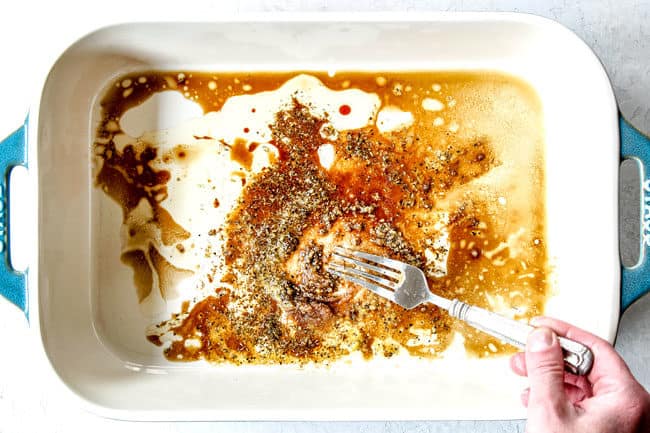
- To make the marinade, simply whisk together, olive oil, balsamic vinegar, lemon juice, lemon pepper, dried oregano, garlic power, sugar and salt in a 9×13 baking dish. If you are using one large salmon fillet, you will want to whisk together in a large piece of foil. Take care to bring up the edges of the foil to create a wall so the marinade doesn’t escape.
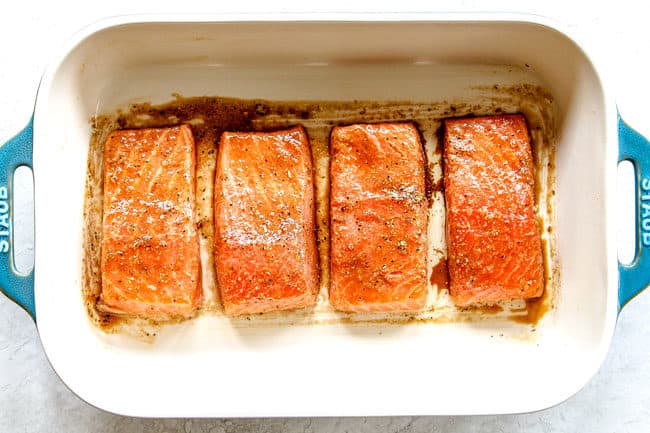
- Marinate salmon. Add salmon and turn over a few times in the marinade. I like to drag my salmon through the marinade on each side so it gets thoroughly coated. Line salmon fillets in a single layer in same 9×13 pan or foil and let rest while you prep the Creamy Dill Sauce and Salsa.
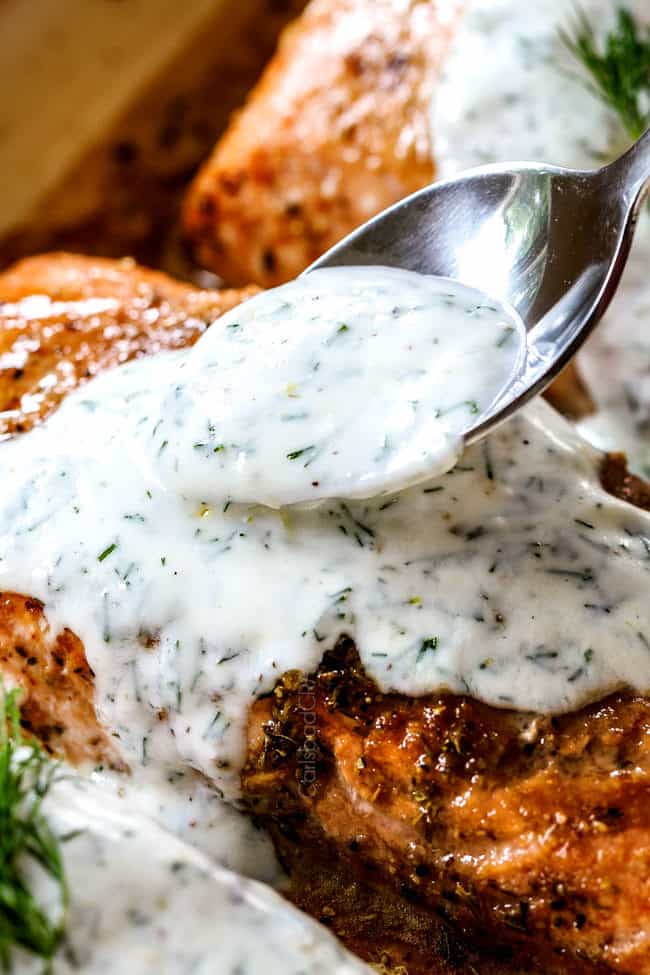
- Make Dill Sauce for Salmon. The Dill Sauce couldn’t be any easier! Simply whisk together all of the ingredient in a medium bowl. Season with salt and pepper to taste. Cover and refrigerate.
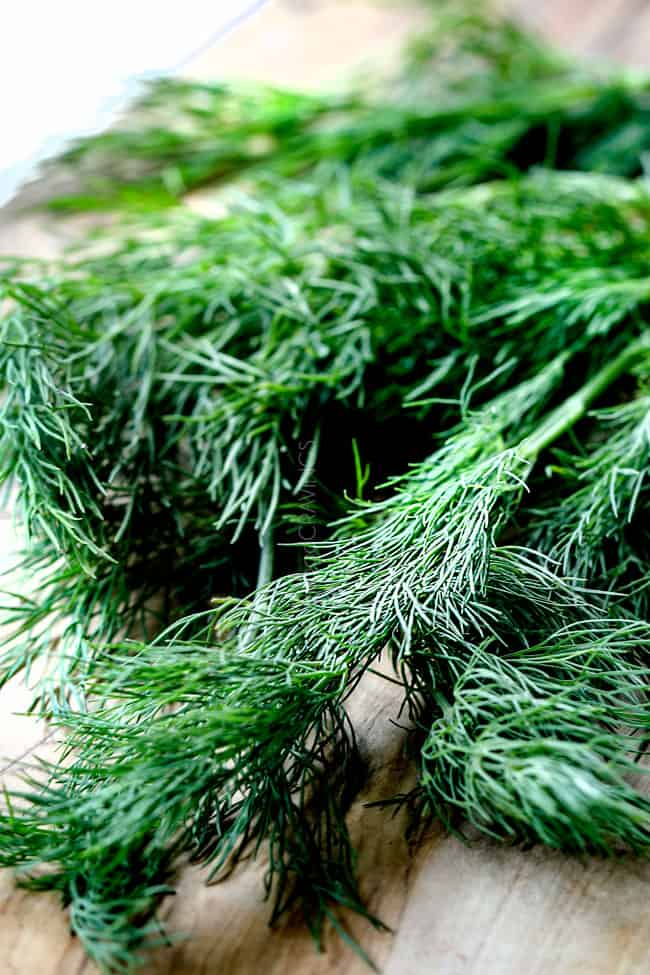
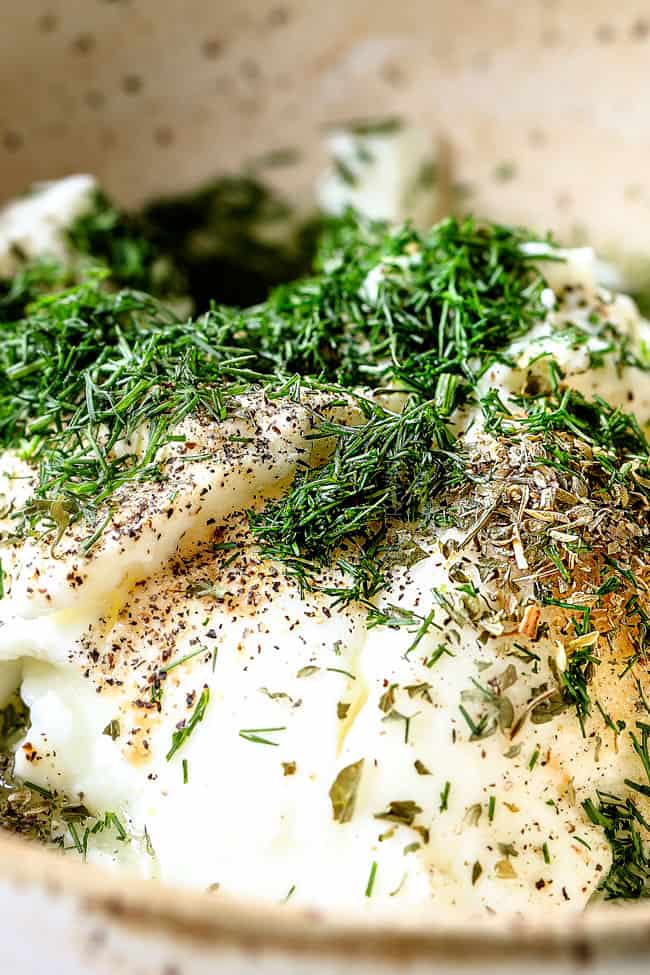

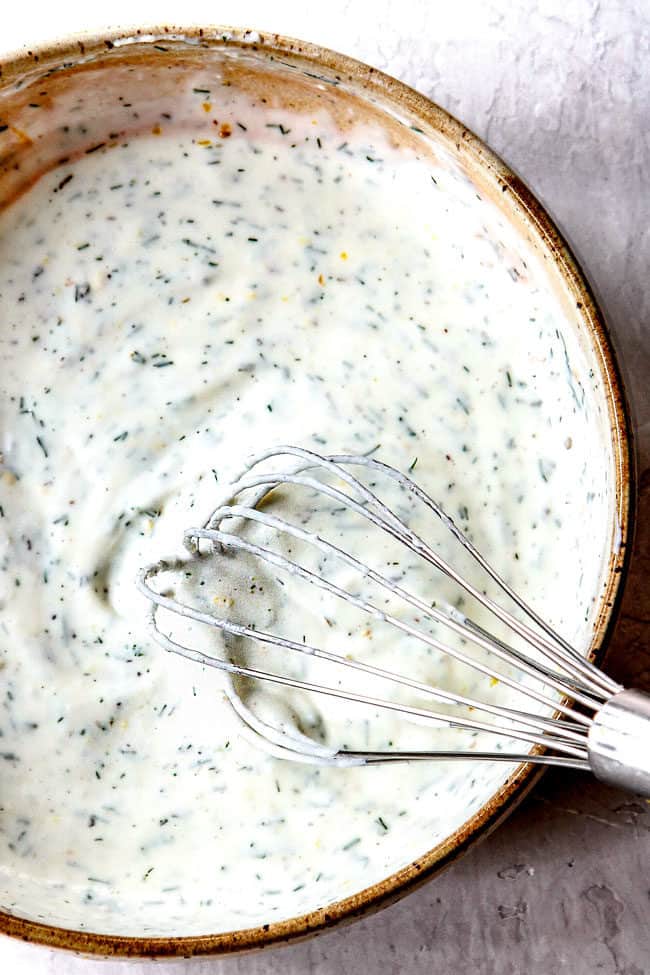
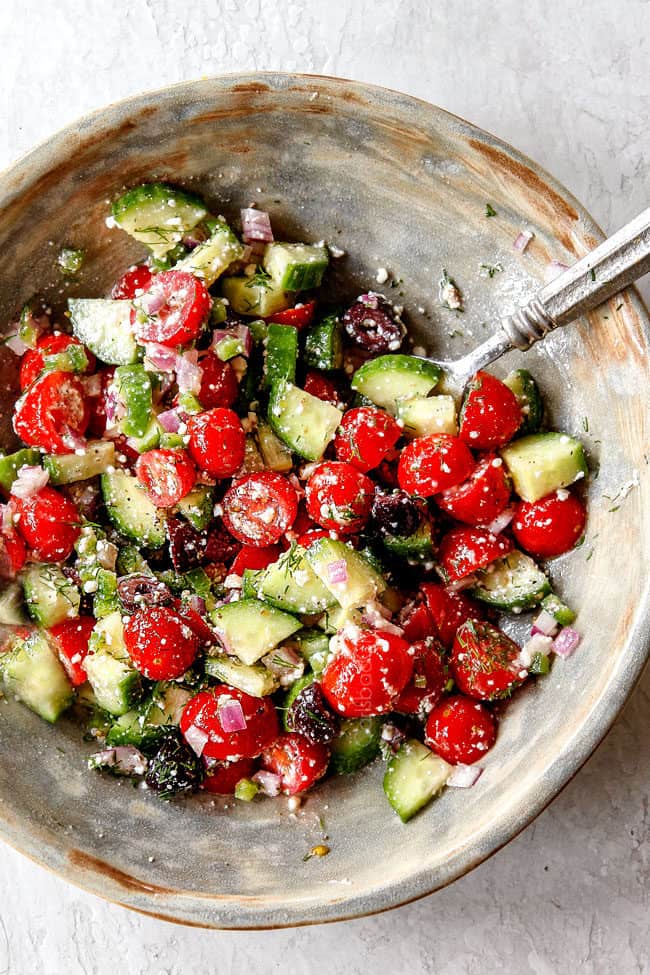
- Make Cucumber Tomato Salsa. Combine all of the ingredient in a medium bowl. Cover and refrigerate. By making the Dill Sauce and Salsa while your salmon marinates, you can have dinner on the table as soon as your salmon comes out of the oven!
- Bake Salmon in oven. Bake salmon for approximately 12 minutes or until cooked to desired temperature.
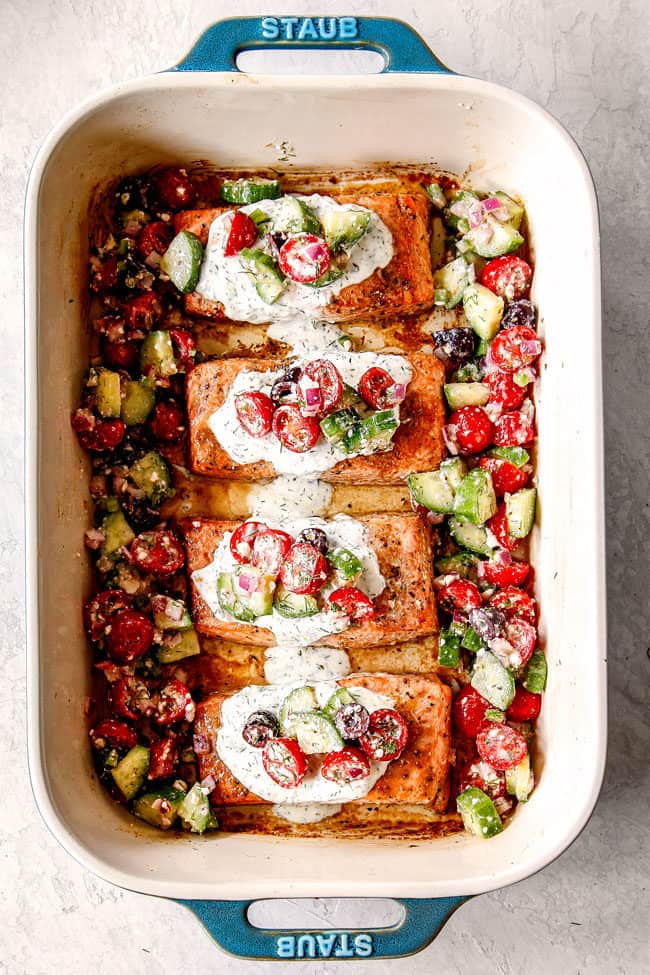
- Serve! Serve salmon by spooning Dill Sauce on top followed by Salsa. I think its extra fabulous with freshly squeezed lemon juice.

How to Cook Salmon in the Oven
This Bakes Salmon in Dill Sauce requires 12-15 minutes baked at 400 degrees F. The cooking time will depend on how thick your salmon is and what temperature you like your salmon.
You can accurately check the temperature of your salmon with an instant-read thermometer. Insert the thermometer into the thickest part of the salmon.
The FDA advises salmon should be cooked to an internal temperature of 145 degrees Fahrenheit, HOWEVER, if you cook your salmon to this temperature it will be overdone because the temperature will continue to rise after baking.
Instead, America’s Test kitchen suggests cooking your salmon to about 125 degrees F (52 degrees C) to avoid dry, overcooked salmon. I usually cook my salmon to just 130 degrees F and the results are always perfect after a 5-minute rest.
Take care not to overcook your salmon because it will only remain buttery, juicy and tender as long as it isn’t overcooked. It is better for salmon to be under-cooked than overcooked in my opinion.
How do you not overcook salmon in the oven?
The most accurate way to test your salmon is with a meat thermometer. Alternatively, check your salmon for doneness after 12 minutes of baking. As salmon bakes, it changes from bright pink (raw) to opaque pink. The outside of the salmon should be completely opaque but the center should still be a bit translucent, but not raw. Cooked salmon will also easily flake with a fork along the muscle fibers.

How do you keep salmon warm after cooking?
Baked Salmon is always best hot out of the oven, so If your salmon is all cooked but you aren’t quite ready to eat, you can warm it in your oven. Transfer salmon to a wire rack placed on a baking sheet. Place in a 200-degree oven for up to 30 minutes.

How to Make Baked Salmon with Dill ahead of time
Yes, you can make the marinade up to three days in advance and store in the fridge until you’re ready to marinate and cook the salmon. The dill sauce for salmon can be made up to two days in advance, covered and refrigerated.

Tips for Salmon with Dill Sauce
Toppings for Salmon with Dill
The best topping for Salmon with Dill is Greek Salsa! It’s a vibrant, texture-flavor explosion of cherry tomatoes, cucumbers, Kalamata olives, red onions, feta, jalapenos, garlic, dill, red wine vinegar, lemon and oregano. The ingredient list may look lengthy, but the salsa comes together very quickly and is worth every second! If you don’t have all the ingredients, then just add what you do have! Toss some tomatoes with a splash of lemon and oregano, etc.

Dill Salmon Recipe Variations

Sides to Serve with Baked Salmon with Lemon and Dill Sauce
This Baked Salmon with Dill Sauce is a fabulous medley of flavor and texture so it doesn’t need many sides, however, I love to serve it with my reader’s favorite Greek Lemon Rice, brown rice or couscous and add some sliced almonds. You could also add pickled onions, hummus, spinach, etc. to create a salad bowl.
If you’re looking to make this Dill Salmon a Mediterranean feast, you can also serve it with a warm bowl of Tomato Basil Soup, Greek Pasta Salad, Perfect Fruit Salad, and of course flatbread/naan/roti.

What to Serve with Baked Salmon with Dill Sauce
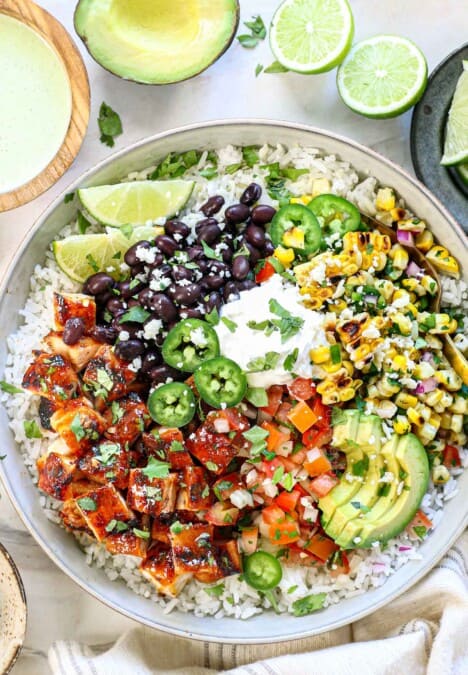
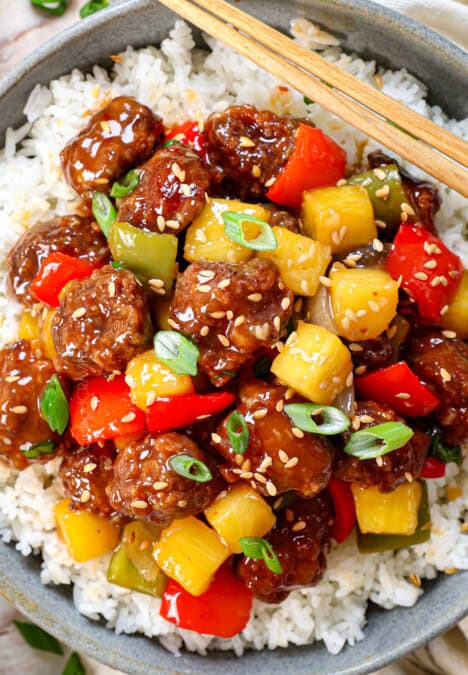
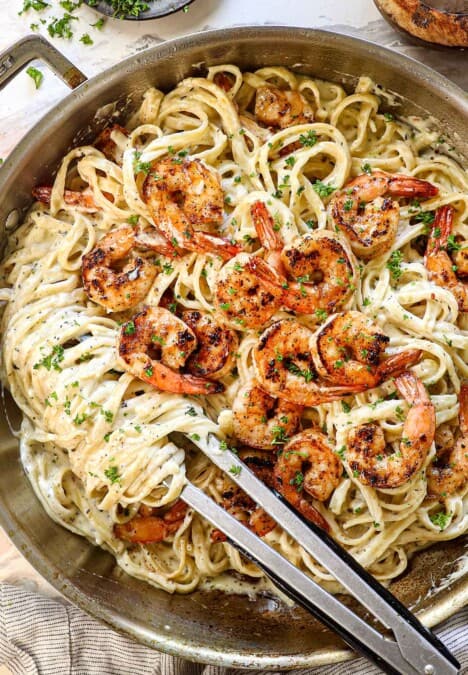
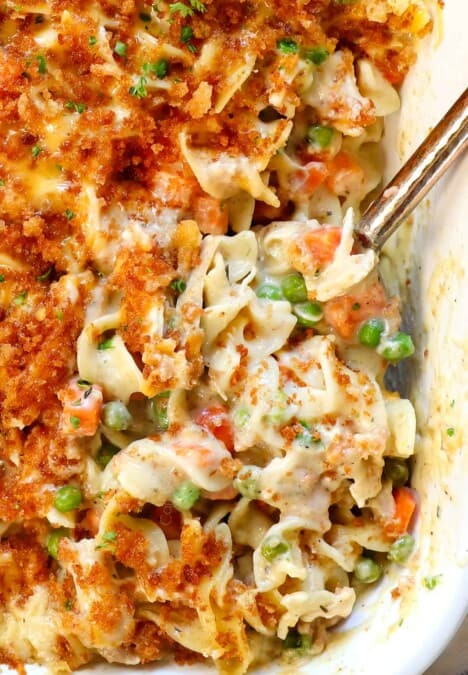
There are many delicious ways to serve this baked salmon with dill sauce (and leftovers!) from salads, to pizza, to pasta, to wraps!

How to Store Salmon with Dill Sauce
Store leftover salmon in an airtight container in the fridge for up to three days. The dill sauce can be stored separately for up to five days. You can enjoy the baked salmon with dill sauce warm or cold in salads, rice bowls, sandwich, wraps etc.
How to Freeze Dill Salmon
You may freeze the salmon but the dill sauce should not be frozen because it will become an unpleasant texture when thawed. To freeze the salmon, let it cool to room temperature, then flash freeze by lining the fillets on a baking sheet without touching; freeze for 1 hour. Transfer the fillets to a freezer size, bag, squeeze out excess air to preserve freezer burn, and freeze for up to 3 months.
How to Reheat
•From the fridge: You can gently reheat the salmon in a nonstick skillet, covered, or in the microwave at 30-second intervals. You can also warm in the oven for 10-15 minutes at 275 degrees F, until it reaches an internal temperature of 125°F to 130°F. Take care not to overcook the salmon or it will become dry.
•From frozen: Thaw salmon in the refrigerator overnight then reheat per any of the above methods.
Baked Salmon with Lemon and Dill FAQs
Bake salmon uncovered to allow the exterior to develop a golden crust. Baking salmon covered is best for a delicate texture.
Whether salmon is better cooked in foil or without foil depends on your preference and the desired outcome. Cooking salmon in foil tends to keep it moist and delicate, while cooking it without foil can result in a slightly firmer texture with the potential for a crispier exterior.
Cooking Method: Opt for methods that retain moisture, such as baking, steaming, or poaching. These methods are gentler and less likely to dry out the fish.
Brining or Marinating: Brining or marinating salmon before cooking can enhance its moisture retention. Use a simple brine or a flavorful marinade to infuse moisture and flavor into the fish.
Doneness: Avoid overcooking. Cook salmon just until it flakes easily with a fork. Overcooked salmon tends to be dry, so aim for a slightly translucent center in the thickest part of the fillet.


Want to try this Baked Salmon with Dill Sauce RECIPE?
PIN IT to your recipe BOARD TO SAVE FOR LATER!
FIND ME ON PINTEREST FOR MORE GREAT RECIPES! I AM ALWAYS PINNING :)!
©Carlsbad Cravings by CarlsbadCravings.com

Salmon with Dill
Save This Recipe To Your Recipe Box
You can now create an account on our site and save your favorite recipes all in one place!
Ingredients
Salmon
- 4 (6 oz.) wild salmon fish fillets OR 1 wild Alaskan salmon fillet
- 2 tablespoons olive oil
- 1 tablespoon balsamic vinegar
- 1 tablespoon lemon juice
- 1/2 tsp EACH lemon pepper, dried oregano, garlic powder, sugar, salt
Dill Sauce
- 1/2 cup Greek yogurt nonfat works great
- 2 tablespoons mayonnaise nonfat works great
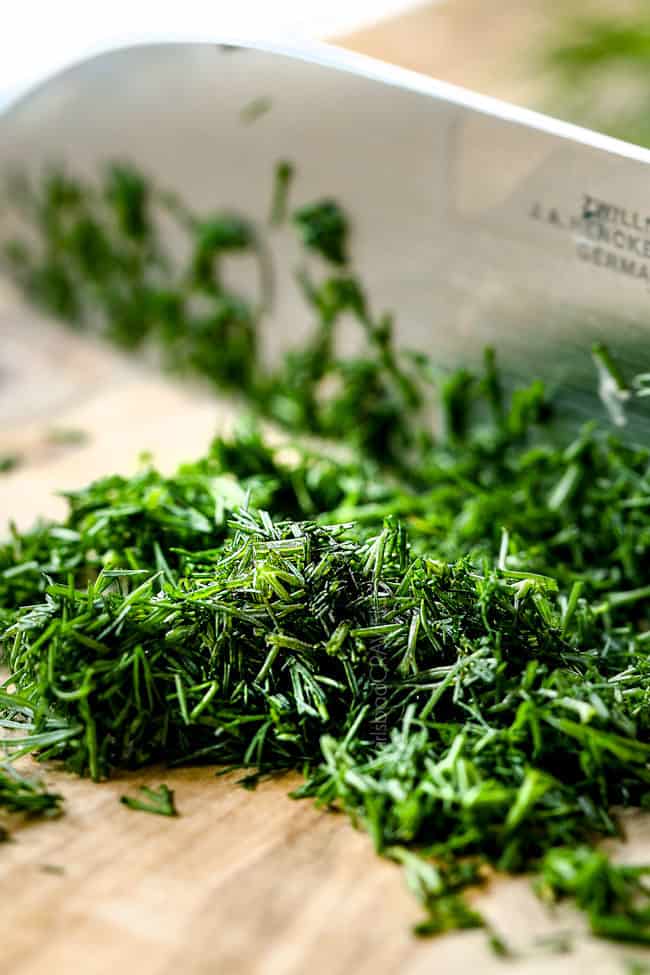
- 1 tablespoon chopped dill
- 1 minced garlic clove or ¼ tsp garlic powder
- 1/2 tablespoon lemon juice
- 1 teaspoon red wine vinegar
- 1/4 tsp EACH dried oregano, dried parsley
- Salt and pepper to taste
Greek Salsa (optional but RECOMMENDED)
- 1 cup cherry tomatoes, halved
- 1 cup chopped cucumber
- 3 tablespoons kalamata olives (or regular) halved
- 1/4 cup chopped red onion
- 2-3 tablespoons crumbled feta
- ½ -1 jalapeno, seeded, deveined, minced or a pinch of red pepper flakes
- 1/2 tablespoon chopped dill
- 1 minced garlic clove
- 1/2 TBS EACH olive oil, red wine vinegar, lemon juice
- 1/2 teaspoon dried oregano
- Salt and pepper to taste
Instructions
- Whisk the olive oil, balsamic, lemon juice and seasonings listed under “salmon” together in a 9×13 baking dish (or large piece of foil with sides folded up on a baking sheet if using a large fillet). Add salmon and turn to coat (I drag the salmon across the dish to coat thoroughly). Brush any remaining wet rub onto the salmon. Line salmon in a single layer and let sit at room temperature while you prepare your Dill Sauce and Salsa, up to 30 minutes at room temperature.
- Preheat oven to 400 degrees F.
- For the Dill Sauce, whisk all of the ingredients together in a medium bowl. Season with salt and pepper to taste. Cover and refrigerate.
- For the Salsa, combine all of the ingredient in a medium bowl. Cover and refrigerate.
- Bake salmon at 400 degrees F for approximately 12-15 minutes or until salmon is cooked through and flakes easily with a fork (cooking time may vary depending on thickness of salmon).
- Serve salmon with Dill Sauce, Salsa and fabulous with extra freshly squeezed lemon juice.
Notes
HOW TO STORE and REHEAT
- To store: Store leftover salmon in an airtight container in the fridge for up to three days. The dill sauce can be stored separately for up to five days. You can enjoy the baked salmon with dill sauce warm or cold in salads, rice bowls, sandwich, wraps etc.
- To freeze: You may freeze the salmon but the dill sauce should not be frozen because it will become an unpleasant texture when thawed. To freeze the salmon, let it cool to room temperature, then flash freeze by lining the fillets on a baking sheet without touching; freeze for 1 hour. Transfer the fillets to a freezer size, bag, squeeze out excess air to preserve freezer burn, and freeze for up to 3 months.
- To reheat from the fridge: You can gently reheat the salmon in a nonstick skillet, covered, or in the microwave at 30-second intervals. You can also warm in the oven for 10-15 minutes at 275 degrees F, until it reaches an internal temperature of 125°F to 130°F. Take care not to overcook the salmon or it will become dry.
- To reheat from frozen: Thaw salmon in the refrigerator overnight then reheat per any of the above methods.
Want To Make This Recipe?

Did You Make This Recipe?
Tag @CarlsbadCravings and Use #CarlsbadCravngs
Leave a Review, I Always Love Hearing From You!
Carlsbad Cravings Original

Marsha Dyer says
Really good recipe. My husband is not a salmon fan and he liked it.
Jen says
Hi Marsha! I’m thrilled that this recipe has your husband thinking twice about salmon!