This is the juiciest, crispiest, most flavorful Sweet and Sour Pork with the BEST sauce! Thanks to key techniques like velveting, double dredging, and a double fry (air fryer instructions included), every bite tastes better than takeout!
Follow along for step-by-step photos, expert tips, and serving suggestions!
Watch How to Make Sweet and Sour Pork
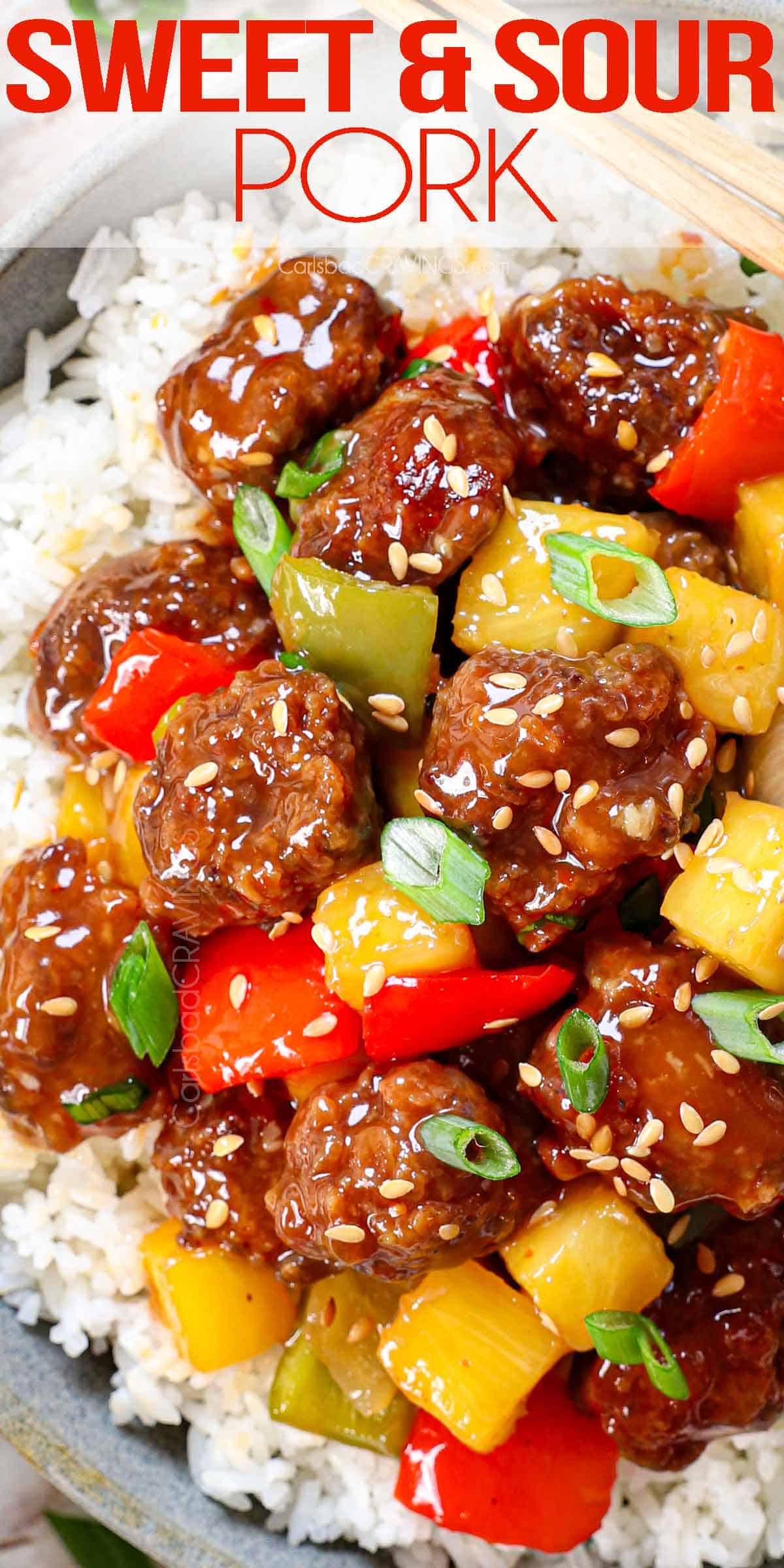

Why This Sweet and Sour Pork Works
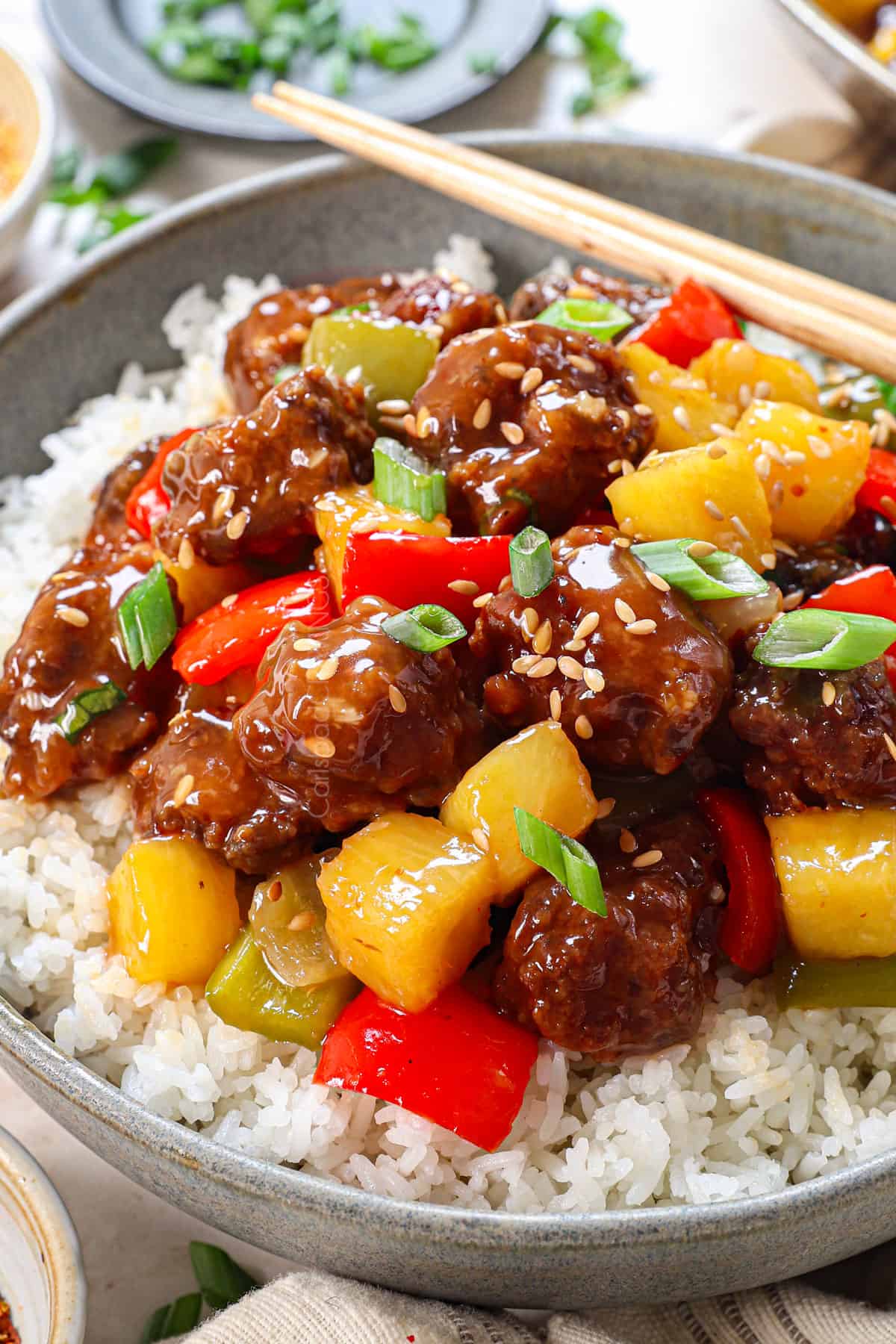

Sweet and Sour Pork Recipe Ingredients
Let’s take a closer look at some key ingredients you’ll need to make this recipe (measurements in the printable recipe card at the bottom of the post):
SWEET AND SOUR SAUCE
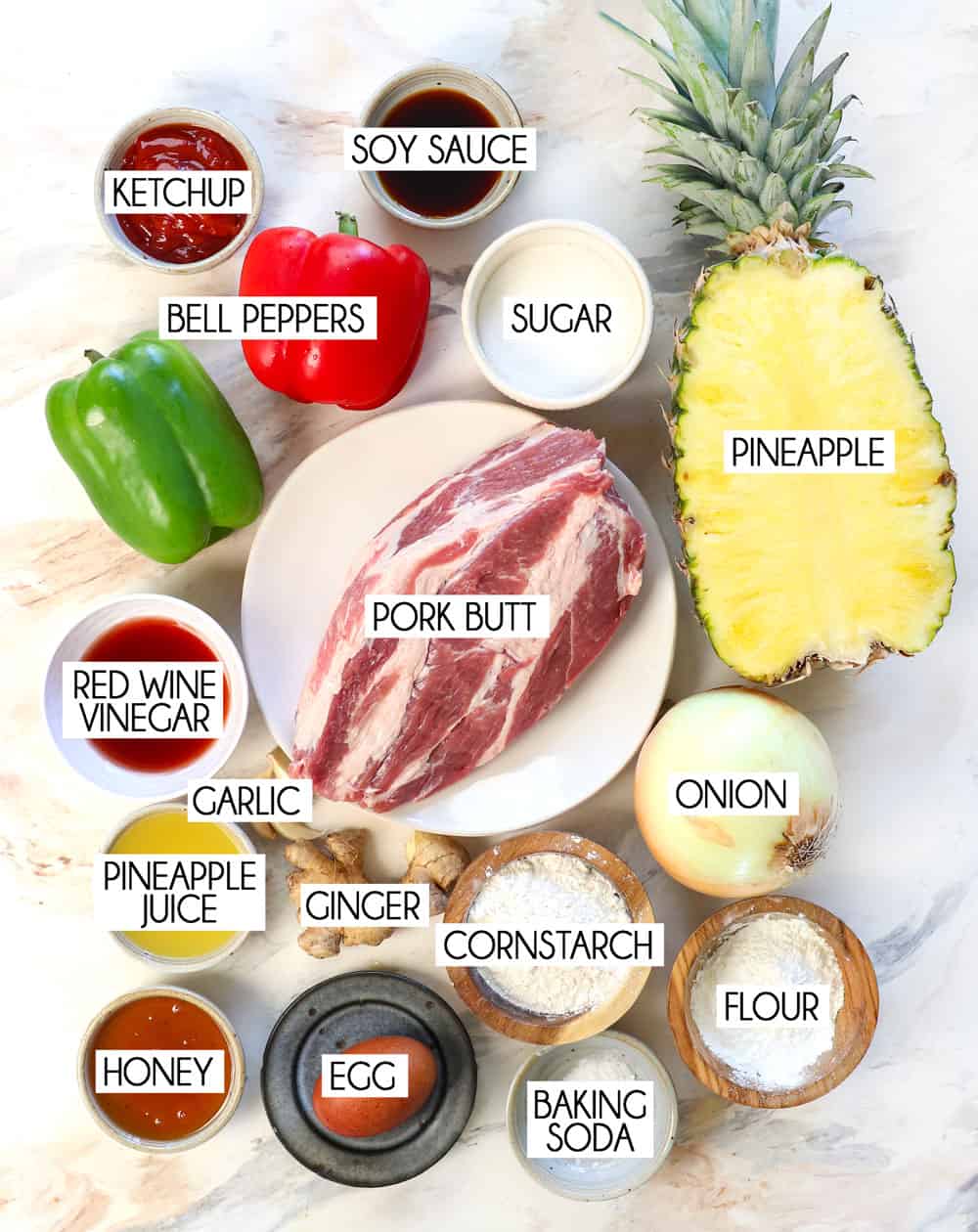

How to MAke Sweet and Sour Pork
Let’s take a closer look at how to make this recipe with step-by-step photos (full recipe in the printable recipe card at the bottom of the post):
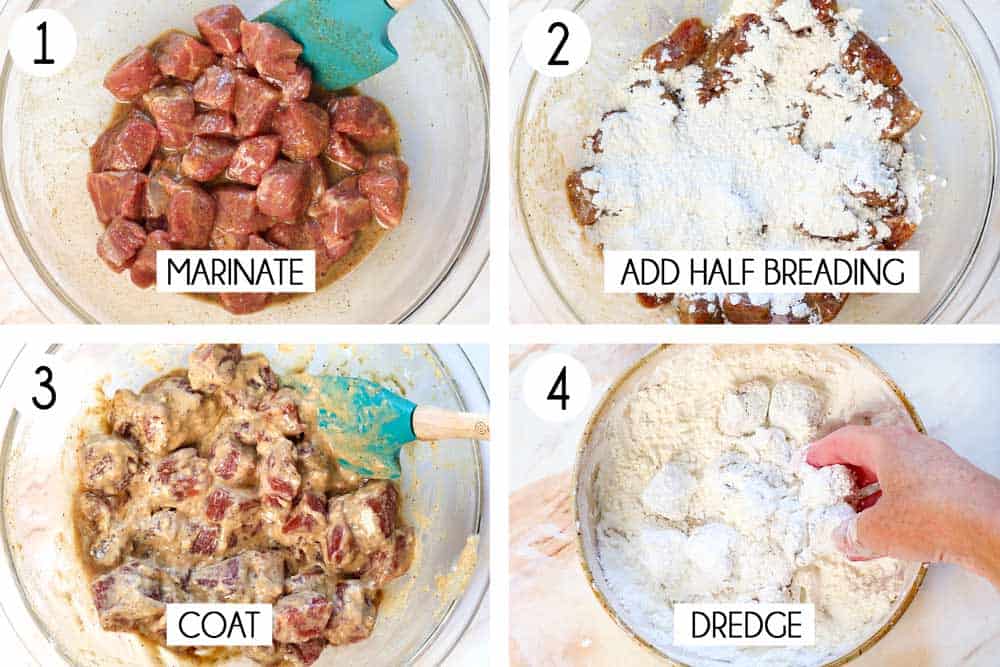

Pork Sweet and Sour Recipe TIPS

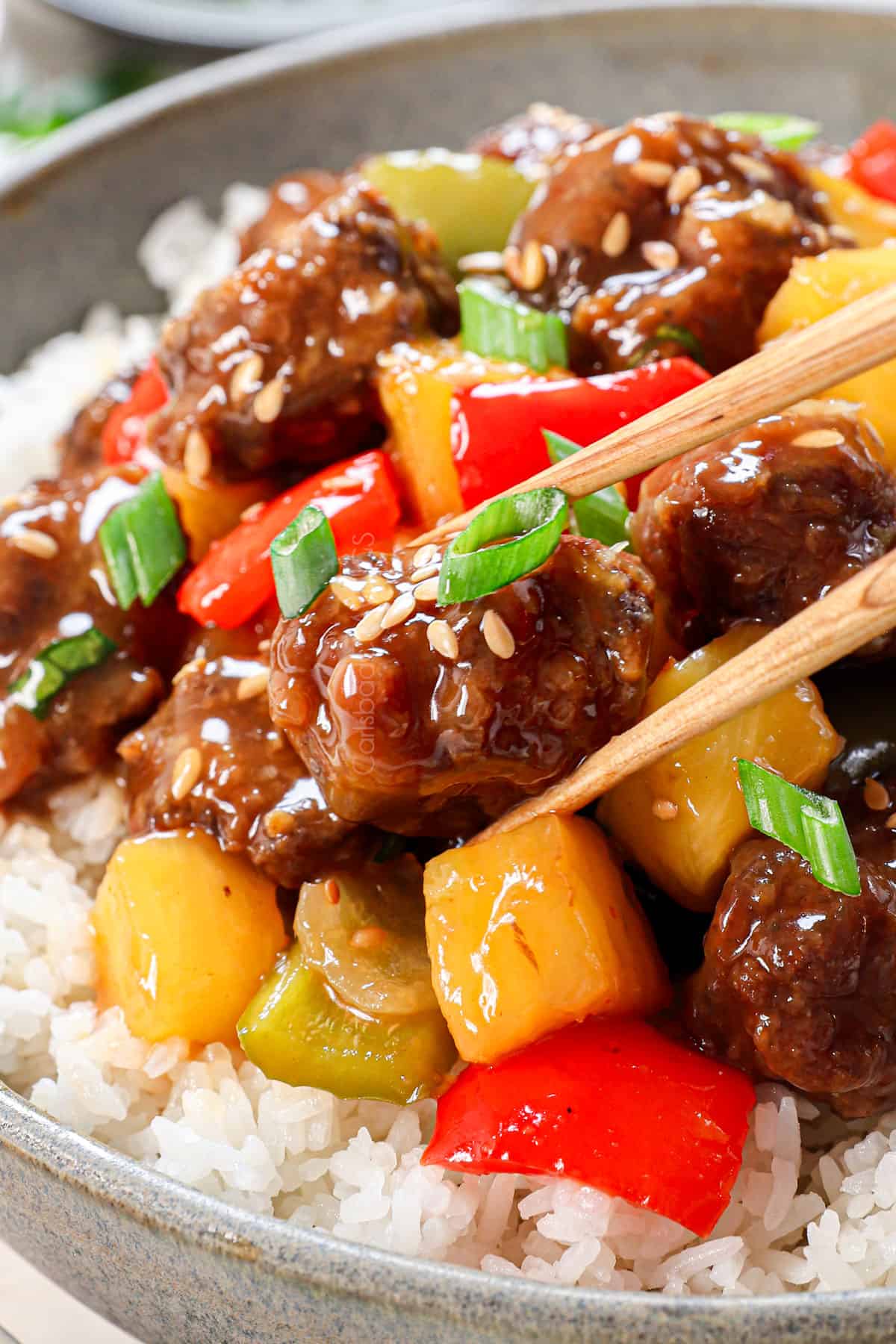
How to serve Chinese Sweet and Sour Pork
Rice: I suggest plain rice, like jasmine or brown. Just pop the rice in your rice cooker for a hands-off, easy side. You can also use microwave rice pouches if you’re making a single serving. Fried rice is also tasty.
Low carb: Cauliflower rice, quinoa, broccoli rice, or a blend of brown rice and any of the options above.
Noodles: Chow Mein, ramen, soba noodles, rice noodles, or low-carb spaghetti squash are a fun way to mix things up.
Appetizers: For a complete Asian feast, pair with Wontons, Crab Rangoons, or Egg Rolls.
Salads: Some of our favorite Asian-inspired salads include Ramen Salad, Crunchy Asian Salad, Chinese Salad, and Asian Pineapple Salad.

HOW TO STORE
Let cool completely, then store in an airtight container for up to 3–4 days. For the best texture, reserve some of the pork separately from the sauce if you anticipate leftovers—this helps keep the coating from softening.

How to reheat
•Oven: If stored separately, reheat at 375°F for 8–12 minutes on a sheet pan, then warm the sauce separately.
•Air fryer: If stored separately, heat at 350°F for 5–7 minutes, shaking halfway through, then warm the sauce separately.
•Stovetop: Warm in a skillet over medium heat, stirring gently until heated through.
•Microwave: Heat in 30–60 second intervals, covered loosely, until hot (best for convenience, but coating will be softer).

WANT TO TRY THIS Sweet and Sour Pork RECIPE?
PIN IT to your recipe BOARD TO SAVE FOR LATER!
FIND ME ON PINTEREST FOR MORE GREAT RECIPES! I AM ALWAYS PINNING :)!
©Carlsbad Cravings by CarlsbadCravings.com


Chinese Sweet and Sour Pork
Save This Recipe To Your Recipe Box
You can now create an account on our site and save your favorite recipes all in one place!
Ingredients
- 1 pound pork butt, cut into 3/4” cubes
- Vegetable oil for frying
QUICK MARINADE
- 1½ tablespoons reduced sodium soy sauce
- 1 tablespoon cornstarch
- 1 tablespoon toasted sesame seed oil
- 1 tablespoon rice wine
- 1 teaspoon baking soda
- 1/2 teaspoon salt
- 1/4 tsp EACH ground ginger, garlic powder, pepper
BREADING
- 3/4 cup cornstarch
- 1/4 cup flour
- 1/2 teaspoon baking soda
- 1 egg white
SWEET AND SOUR SAUCE
- 1/3 cup granulated sugar
- 1/3 cup red wine vinegar (don't substitute!)
- 1/3 cup water
- 3 tablespoons pineapple juice
- 3 tablespoons ketchup
- 2½ tablespoons honey
- 1 tablespoon reduced sodium soy sauce
- 1/4 tsp EACH salt, red pepper flakes
- 1 TBSP + 1 tsp cornstarch
STIR FRY
- 1 tablespoon neutral oil
- 3 garlic cloves, minced
- 2 teaspoons freshly grated ginger
- 1/2 yellow onion, chopped into 1-inch chunks
- 2 cups chopped pineapple or 1 15 oz. can pineapple tidbits in juice, drained (juice reserved for sauce)
- 1 green bell pepper, chopped into 1-inch chunks
- 1 red bell pepper, chopped into 1-inch chunks
Instructions
- Marinate pork: Whisk the“Marinade” ingredients together in a large bowl or freezer bag. Stir in the pork and let it marinate at room temperature for at least 20 minutes (ideally 60). It can also be covered and marinated overnight. Prep the breading, sauce, and stir fry ingredients during this time.
- Breading: Whisk the cornstarch, flour, and baking soda together in a shallow dish or bowl; set aside.
- Whisk sauce: Whisk the ingredients together in a small bowl, set aside.
- First dredge: When ready to cook, stir the egg white into the marinating pork, then add ½ cup of the breading and stir to combine. Let it rest for 5 minutes (it will look gummy). Meanwhile, heat the oil:
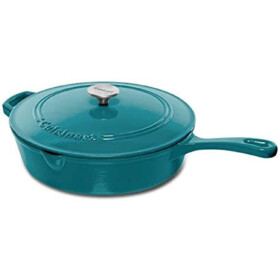
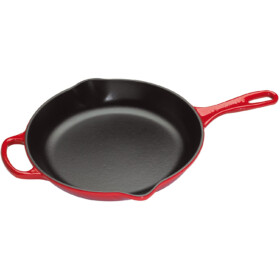
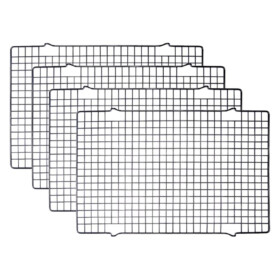
- Heat oil: Heat about 1 inch of vegetable or canola oil in a deep enameled cast-iron pan (this is what I use) over medium-high heat until it reaches 350°F. (This thermometer is AWESOME to monitor oil.) Line a cooling rack with paper towels.
- Second dredge: Working in batches, transfer the pork to the breading mixture in the dish. Using a clean hand, scoop and press the coating firmly onto the pork, turning as needed until each piece is thoroughly coated. Gently shake off any excess breading, then transfer it to a plate.
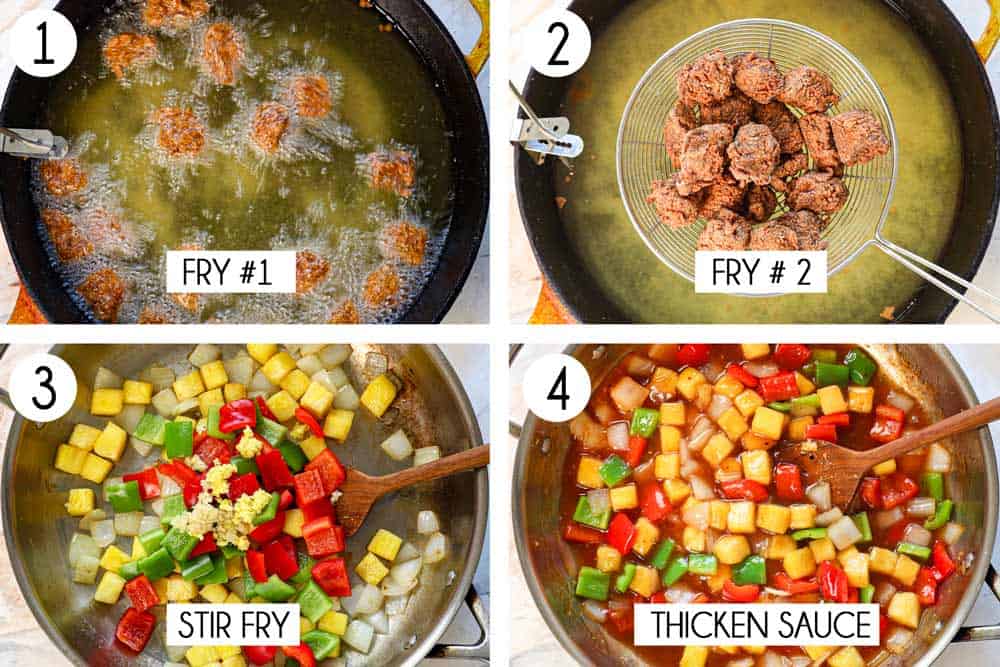
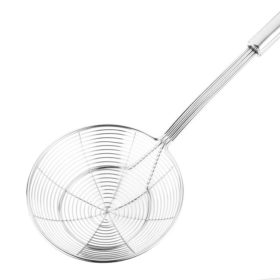
- Fry #1: Working in batches, fry the pork for 3 minutes, then transfer it to the paper-towel-lined rack using a spider strainer or metal slotted spoon and spread apart. Repeat until all the pork is fried, keeping the temperature around 350-360°F.
- Fry #2: This second fry makes the pork extra crispy, but it is not essential. Fry again in batches for 30 seconds to 1 minute, until deeply golden brown, then transfer to a paper towel-lined rack.
- Stir fry: Heat a heavy-bottom pan or wok over medium-high heat until smoking, then add 1 tablespoon of oil. Add the onions and pineapple, and stir-fry for 2 minutes. Add bell peppers, ginger, and garlic, and stir-fry for 1 minute.
- Thicken the sauce: Stir the sauce to recombine, then add it to the skillet. Simmer until thickened.
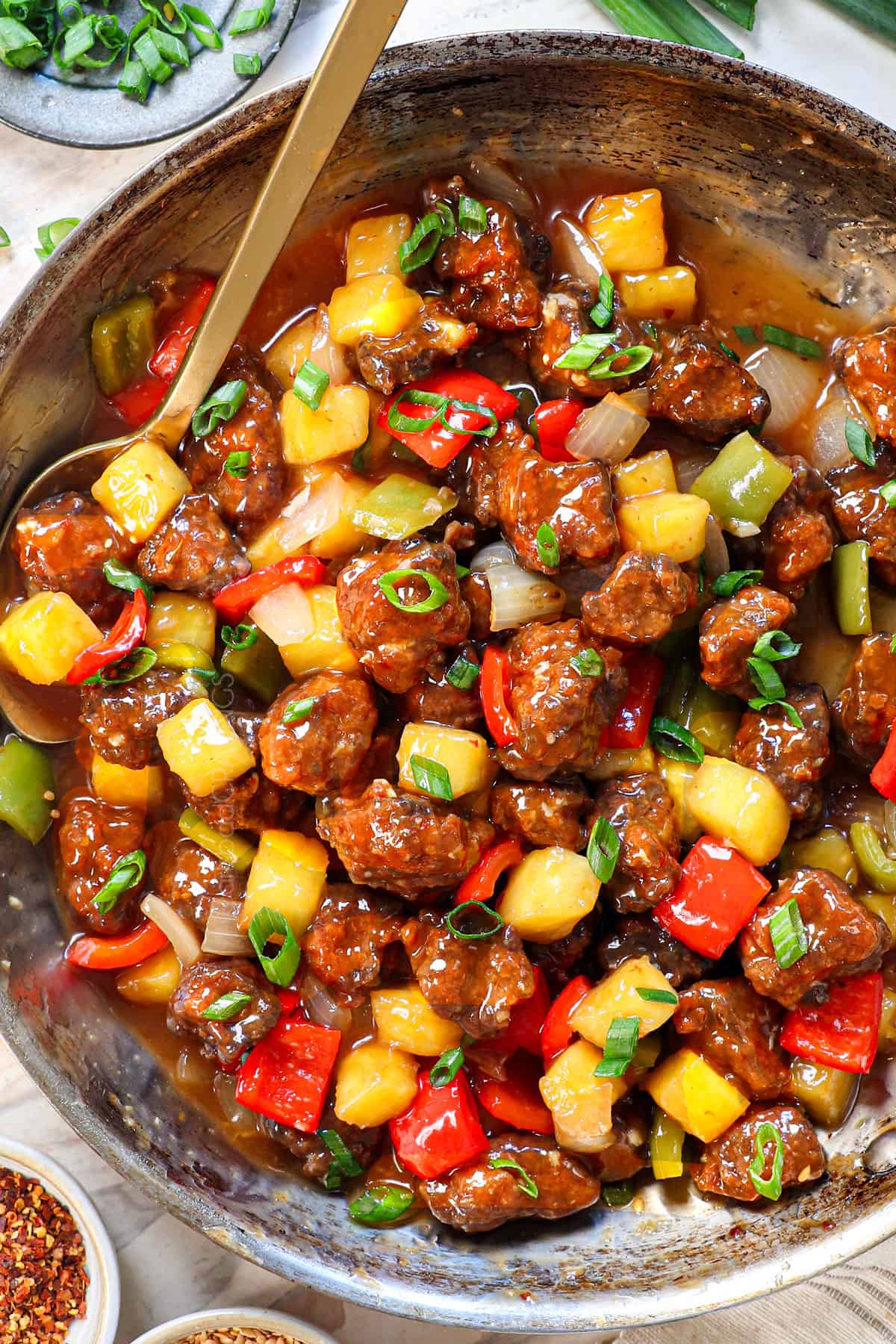
- Combine: Add the pork and toss to coat. Serve immediately.
Video
Notes
- The best substitute is pale dry sherry.
To Air Fry
This version is still tasty and crispy, but will be missing the “fried” taste.- Preheat the air fryer to 400°F on the air fryer setting for 5 minutes.
- Lightly spray the air fryer basket with cooking spray.
- Working in batches, arrange the pork in a single layer, leaving space between each piece. Lightly spray the top of the pork with oil.
- Air fry for 8–10 minutes, flipping halfway, until the coating is golden and the pork is cooked through. 145°F is the safe internal temp, while the best temp for this dish (golden, juicy but not dry) is 150–160°F.
Want To Make This Recipe?

Did You Make This Recipe?
Tag @CarlsbadCravings and Use #CarlsbadCravngs
Leave a Review, I Always Love Hearing From You!

Elizabeth says
Delicious. Because it was the first time making it, I found it a bit finely so didn’t do the second fry. But it didn’t need it. The pork was crunchy. Flavours excellent. Will make it again.
Jen says
So glad you enjoyed it Elizabeth! If the pork was already nice and crunchy and you loved the texture, then you definitely made it work for you! Happy to hear the flavors were a hit too! Thanks so much for taking the time to leave a comment!
Sandy Jensen says
Best sweet and sour pork I have ever had, fresh, tangy, sweet. Making it again for sure!
Jen says
I’m honored it was the best you’ve ever tried, thanks so much Sandy!
Danielle H. says
I made it last night, 10 out of 10! My boys say it is their favorite dinner and want me to make it “every night”.
Jen says
Wow, thanks for the ultimate compliment Danielle! I’m thrilled it was a huge hit with the whole family!