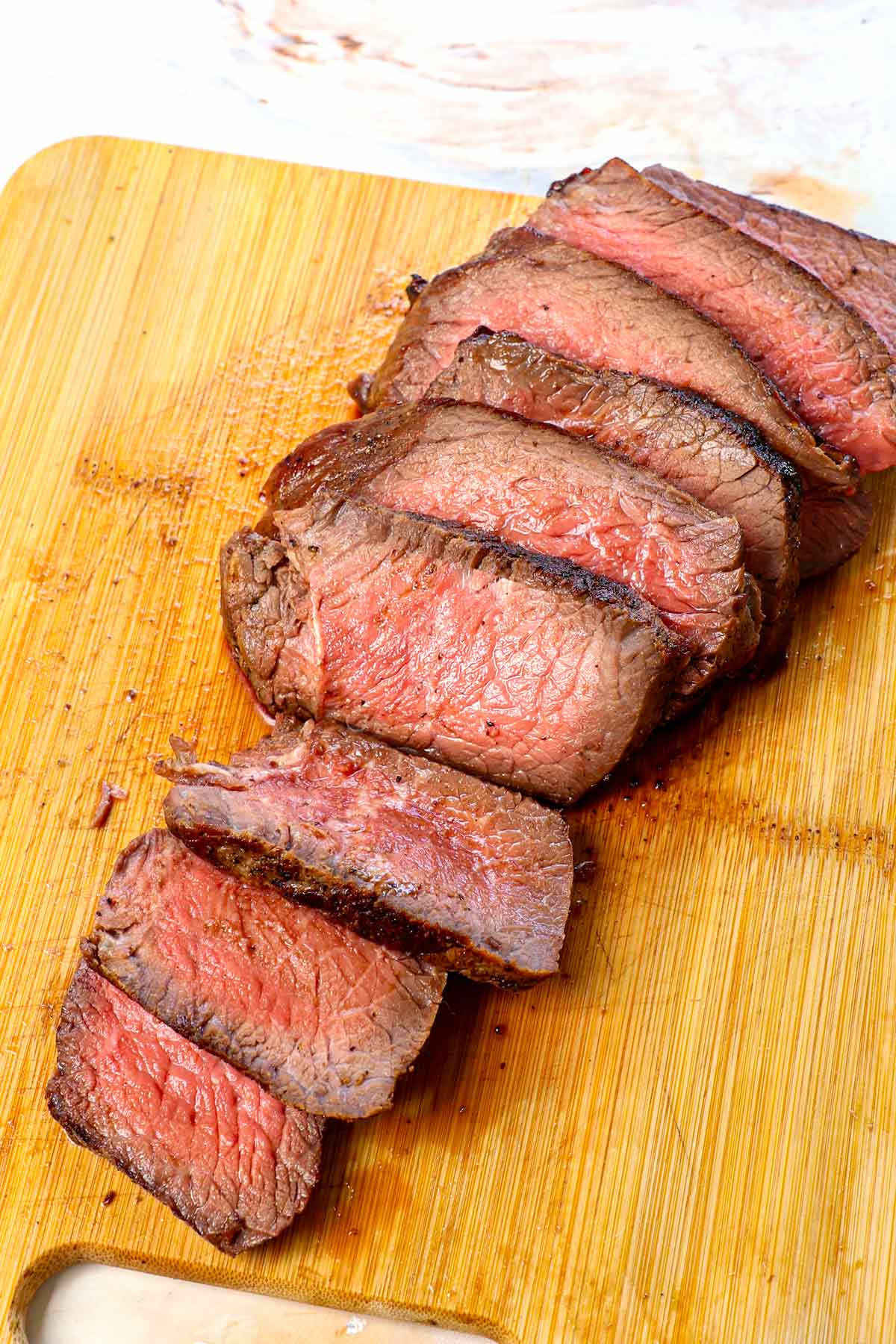
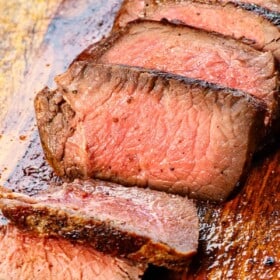
Learning how to reverse sear steak is a game-changer for achieving restaurant-quality results at home without guesswork or stress. This simple, mostly hands-off method lets you nail your desired doneness every time, resulting in superior flavor and tenderness. Follow along for all my tips, tricks, and temperature guides for steak success!
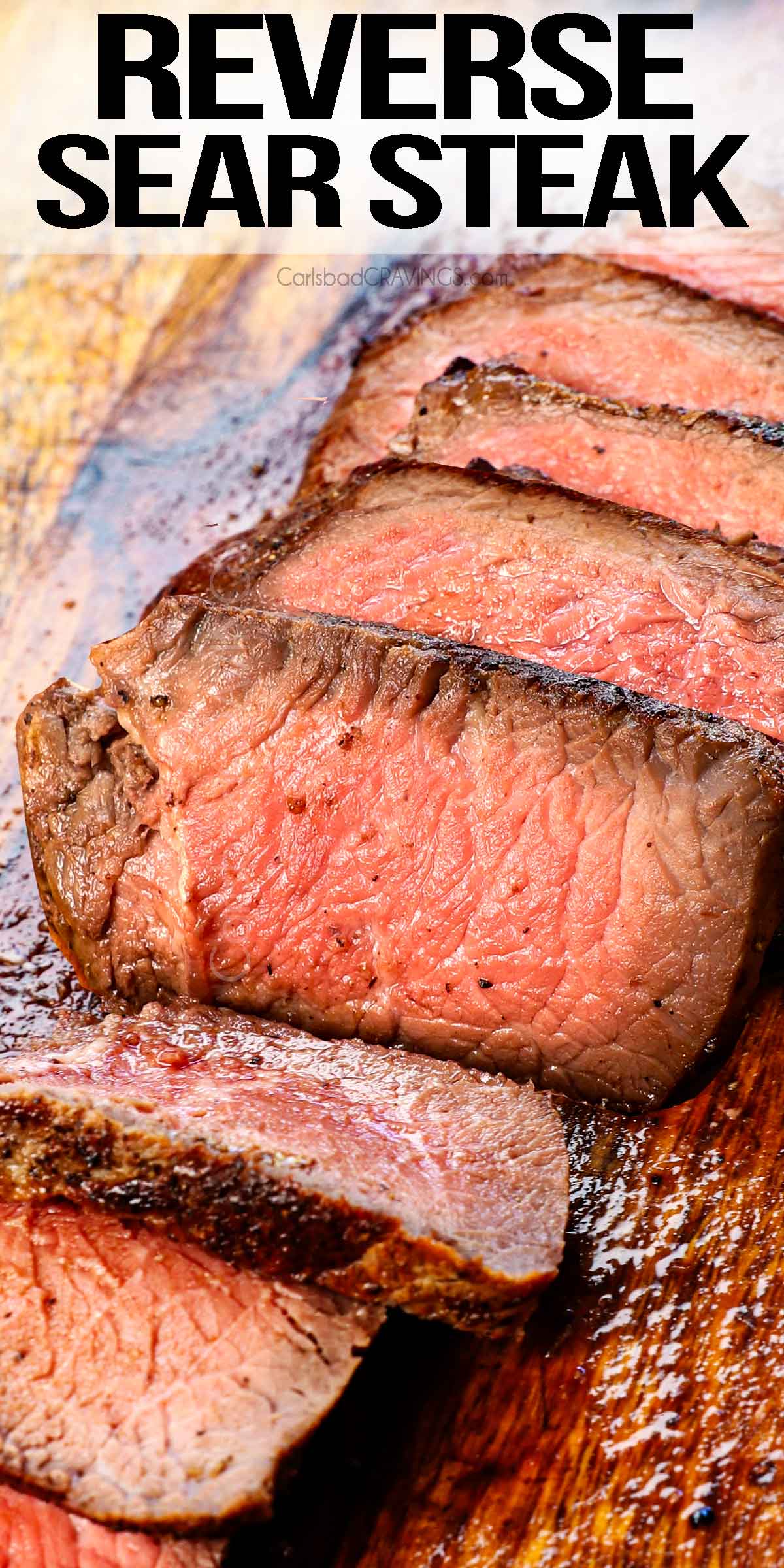

Why You’ll Love This Reverse Sear Steak
If you’ve ever struggled with overcooked edges, undercooked centers, or inconsistent results, reverse searing is the solution! This easy technique delivers consistently impressive steaks with minimal effort, making it my favorite way to cook thick cuts. Here are a few highlights to love:
•Creates a deeply golden, flavorful crust without overcooking the interior.
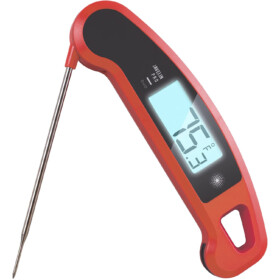
•Foolproof method with an assist from a digital probe thermometer that eliminates the guesswork.
•Requires just a few ingredients and minimal hands-on time.
•Dry Brining creates unparalleled tenderness by increasing moisture retention and yielding a deeply golden, caramelized crust.
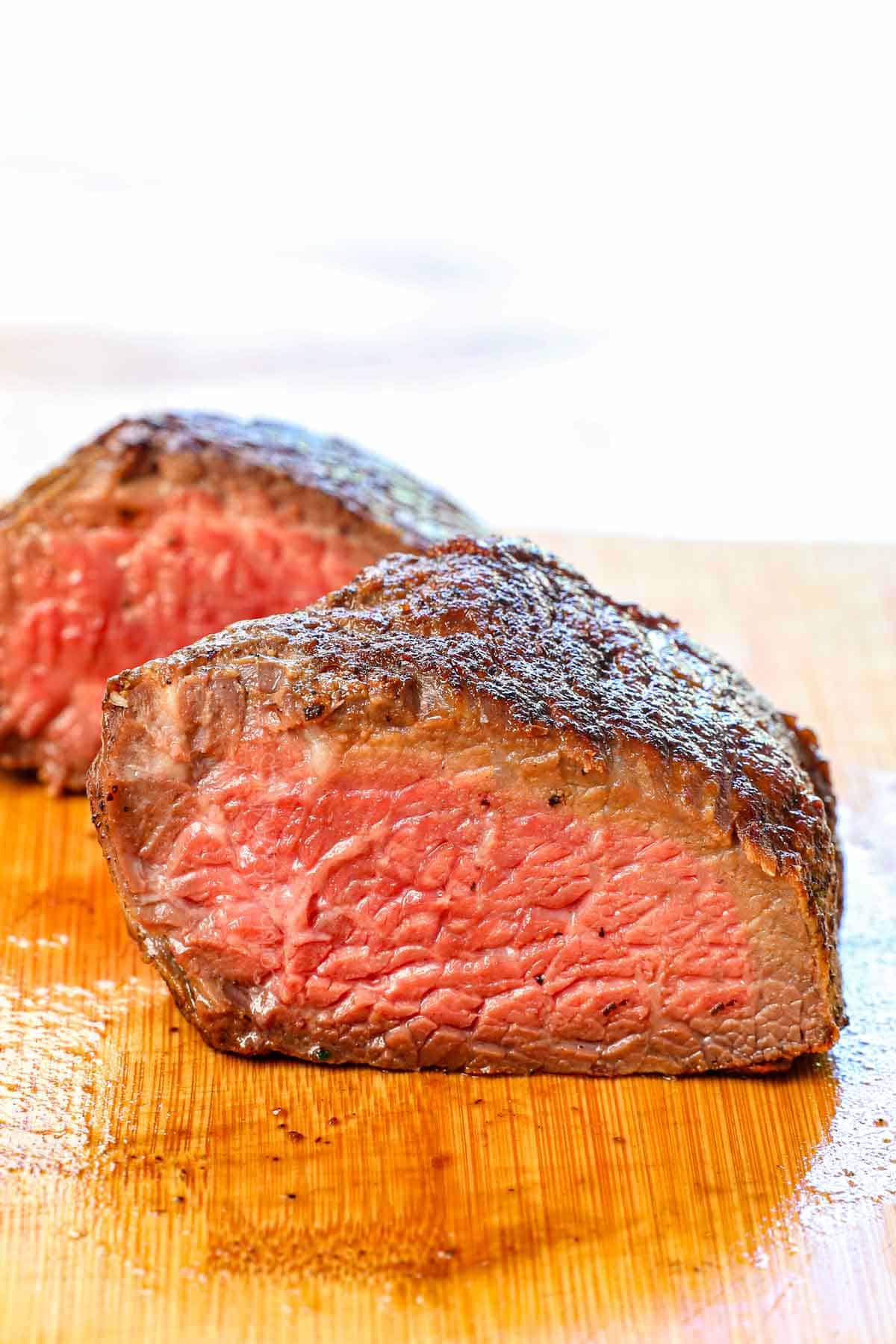

What Is Reverse Searing?
Reverse searing flips the traditional steak-cooking method on its head. Instead of searing first and finishing in the oven, the steak is gently cooked in a low-temperature oven until nearly done, then quickly seared in a screaming-hot skillet to develop a deeply caramelized crust. The result is a steak that’s evenly cooked from edge to edge with a juicy interior and restaurant-worthy exterior.

Why Reverse Searing Creates a Better Steak
Traditional high-heat cooking often leaves a thick gray band of overcooked meat beneath the crust. Reverse searing minimizes that problem by gradually bringing the steak to temperature before the final sear.
The low-and-slow cooking process also dries the steak’s surface, which helps it develop a richer, darker crust in the skillet. The result is a steak that’s more evenly cooked, more tender, and more flavorful.
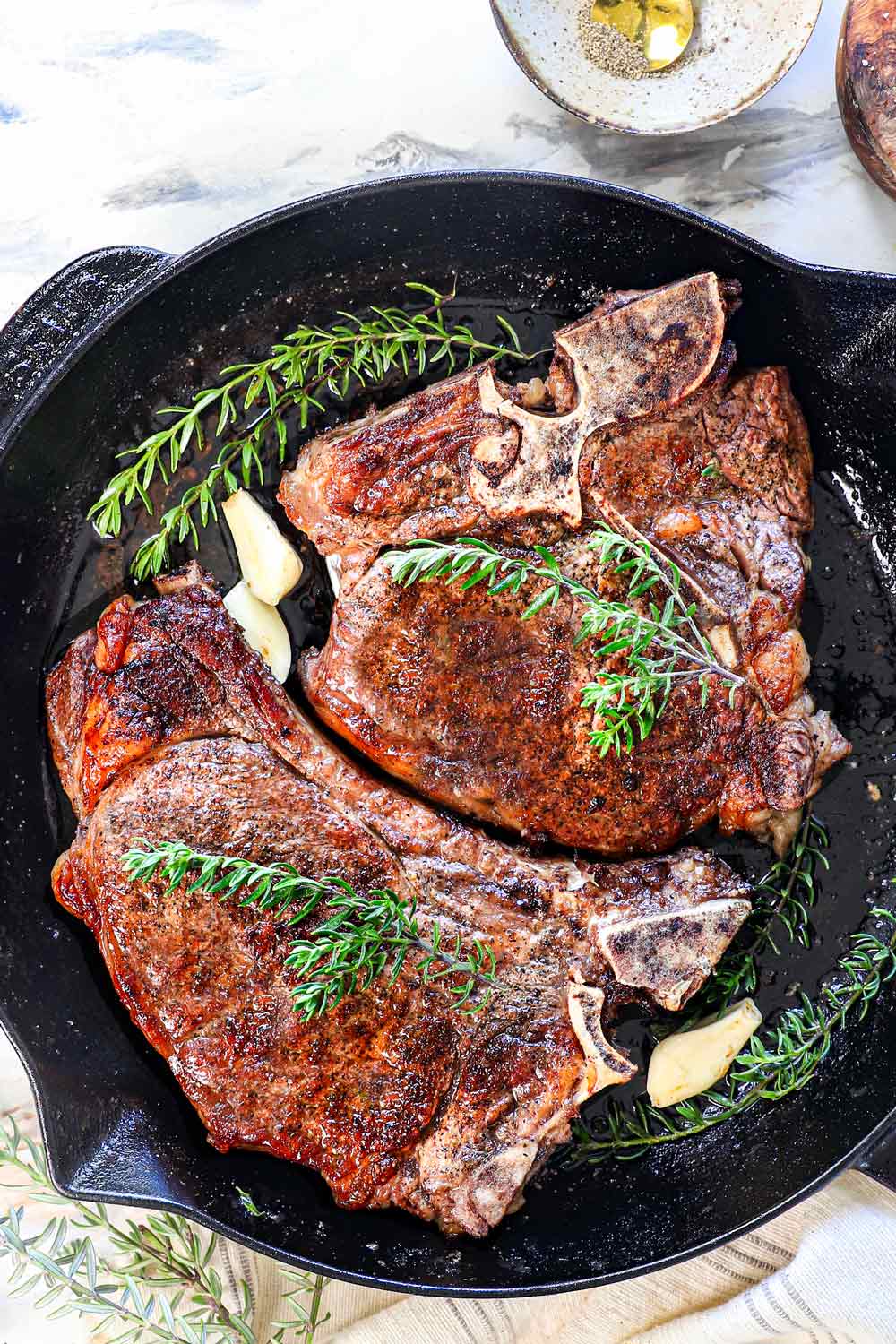

Reverse Sear Steak Oven Ingredients
Let’s take a closer look at some key ingredients you’ll need to make this recipe (measurements in the printable recipe card at the bottom of the post):
•Thick-Cut Steaks: The thicker the steak, the better reverse searing works. Steaks between 1½ and 2½ inches thick allow enough time for the interior to cook gently before the final sear. Thinner steaks can easily overcook before a crust has time to develop.
•Kosher Salt: Kosher salt is ideal because its larger crystals distribute more evenly over the surface of the steak, making it easier to season consistently without over-salting. As the salt dissolves, it helps the meat retain moisture, enhances flavor throughout, and promotes a better crust during searing.
•Freshly Cracked Black Pepper: Adds bold flavor and complements the beef beautifully.
•High Smoke Point Oil: Avocado oil, canola oil, or vegetable oil are ideal for high-heat searing. You CANNOT use olive oil because it has a lower smoke point, which can cause it to burn, imparting a bitter flavor and creating harmful compounds.
•Butter: Adds richness and helps create a luxurious finish.
•Garlic and Fresh Herbs: Optional, but highly recommended for basting and extra flavor.

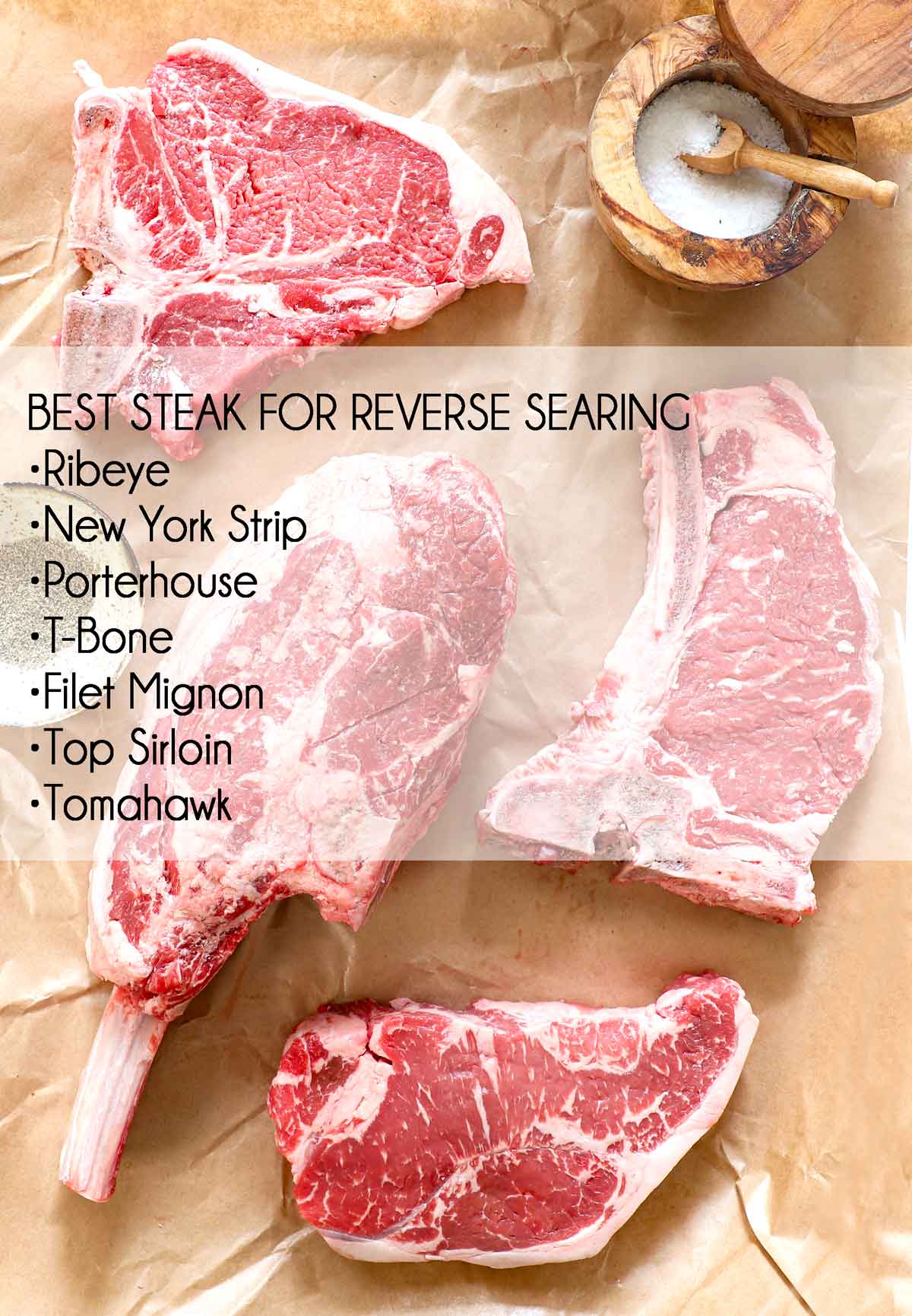
Best Steaks for Reverse Searing
Reverse searing works best with thicker cuts, ideally at least 1½ inches thick.
Top choices include:
•Ribeye
•New York Strip
•Porterhouse
•T-Bone
•Filet Mignon
•Top Sirloin
•Tomahawk Steak

How to Reverse Sear Steak
Let’s take a closer look at how to make this recipe with step-by-step photos (full recipe in the printable recipe card at the bottom of the post):
Reverse Sear Steak Oven Temp
| Doneness | Bake Until | Sear Until | Let Caryover To |
| Rare | 100ºF (35-38ºC) | 115°F (46ºC) | 120-125ºF (49-52ºC) |
| Medium-Rare | 105ºF (41ºC) | 120-125°F (49-52ºC) | 125-130ºF (52-54ºC) |
| Medium | 115ºF (46ºC) | 130-135°F (54-57ºC) | 135-140ºF (57-50ºC) |
| Medium-Well | 125ºF (49-52ºC) | 140-145°F (60-63ºC) | 145-150ºF (63-66ºC) |

TIPS to reverse sear a steak

serving suggestions

HOW TO STORE & Reheat
•How to Store: Store leftover steak in an airtight container in the refrigerator for up to 4 days.
•How to Reheat: For the juiciest results, warm steak in a 250°F (120°C) oven until heated through, then quickly sear in a hot skillet for 30–60 seconds per side to refresh the crust. Avoid microwaving, which can overcook the steak and make it tough.
Reverse Sear Steak FAQs
For most steaks, a 275°F oven works best. The low temperature gently cooks the steak, allowing you to achieve your desired doneness before finishing with a hot sear.
For the best results, choose a steak that is at least 1½ inches thick. Thinner steaks cook too quickly and don’t benefit as much from the reverse-sear method.
The exact time depends on the thickness of the steak and your desired doneness. Most 1½- to 2-inch steaks take about 25–45 minutes in the oven, followed by a quick sear.
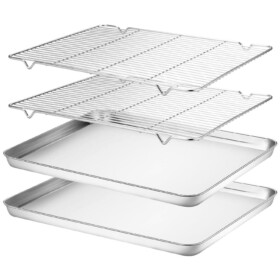
A wire rack isn’t required, but it helps air circulate around the steak for more even cooking and a better crust.
You can season the steak immediately before cooking, but for the best flavor and texture, season it several hours in advance and refrigerate it uncovered.
Yes. Cast iron is ideal because it retains heat exceptionally well, but any heavy-bottomed skillet that can withstand high heat will work.
Absolutely. Cook the steak over indirect heat until it reaches the target temperature, then finish over direct high heat to create a flavorful crust.
No. When using a wire rack, the steak cooks evenly without needing to be flipped.
The skillet likely isn’t hot enough, the steak wasn’t patted dry, or the pan was overcrowded. A dry surface and very hot pan are essential for proper browning.
Yes. The gentle, low-temperature cooking helps the steak retain more moisture and cook more evenly, resulting in a noticeably more tender bite. Some food scientists also believe the gradual heating gives naturally occurring enzymes more time to break down proteins before they’re deactivated by heat, further contributing to tenderness.
Both reverse searing and sous vide produce exceptionally juicy, evenly cooked steaks, but they differ in technique, texture, and convenience.
Reverse searing cooks the steak slowly in a low oven before finishing with a hot sear. It creates a steak that’s beautifully cooked from edge to edge with a deeply flavorful crust and slightly more traditional steak texture.
Sous vide cooks the steak in a temperature-controlled water bath, allowing it to reach an exact internal temperature. This produces the most precise doneness possible and an ultra-even interior, but it requires specialized equipment and still needs to be seared afterward.
For most home cooks, reverse searing offers the best balance of convenience, flavor, and results without needing any special equipment. Many steak lovers also prefer reverse searing because the dry oven environment helps develop a better crust than sous vide does, leaving the steak surface wetter and requiring extra drying before searing.

WANT TO TRY THIS Reverse SEar STeak RECIPE?
PIN IT to your recipe BOARD TO SAVE FOR LATER!
FIND ME ON PINTEREST FOR MORE GREAT RECIPES! I AM ALWAYS PINNING :)!
©Carlsbad Cravings by CarlsbadCravings.com
Tools Used in This Recipe
See Favorite Tools
Oven Reverse Sear Steak
Save This Recipe To Your Recipe Box
You can now create an account on our site and save your favorite recipes all in one place!
Ingredients
- 2 (1 ½ to 2½" thick) steaks, like NY strip, ribeye, top-sirloin filet mignon, porterhouse, or T-bone,
- kosher salt (amount in directions)
- Freshly cracked pepper (amount in directions)
- 1 tablespoon vegetable oil
- 2 tablespoons unsalted butter
- 2 garlic cloves, peeled (left whole)
- Optional: rosemary thyme, etc.
Instructions
Season & Dry Brine
- Salt Weight: Diamond Crystal Kosher Salt: Use approximately 1 teaspoon per pound of meat. Morton Kosher Salt: Use about ¾ teaspoon per pound because it's denser than Diamond Crystal.
- Pepper Weight: Use ¾ freshly ground pepper per 1 pound of steak. (Amount will reduce significantly if using fine ground.)
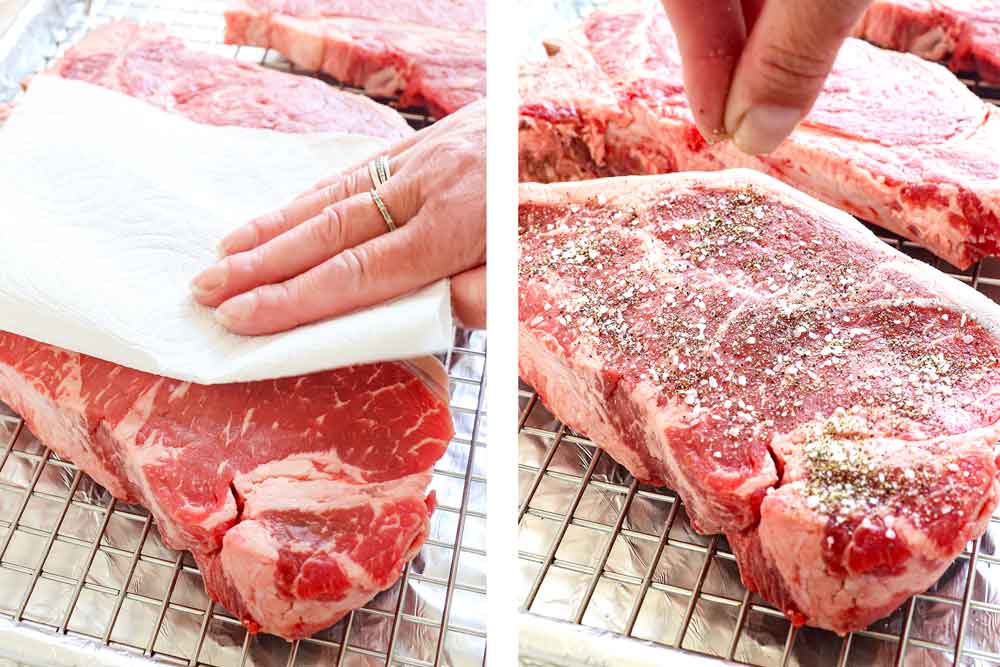
- Season: Transfer the steaks to a wire rack set on a rimmed baking sheet and pat dry with paper towels. Season the steaks on both sides with kosher salt and cracked pepper. Press, don't rub, the spices into the steaks.
- Dry Brine: Time permitting, refrigerate, uncovered, for 2 to 24 hours (HIGHLY RECOMMENDED for maximum flavor and tenderness). If you don't have time, season right before cooking (it won't be as flavorful or tender).
Cook
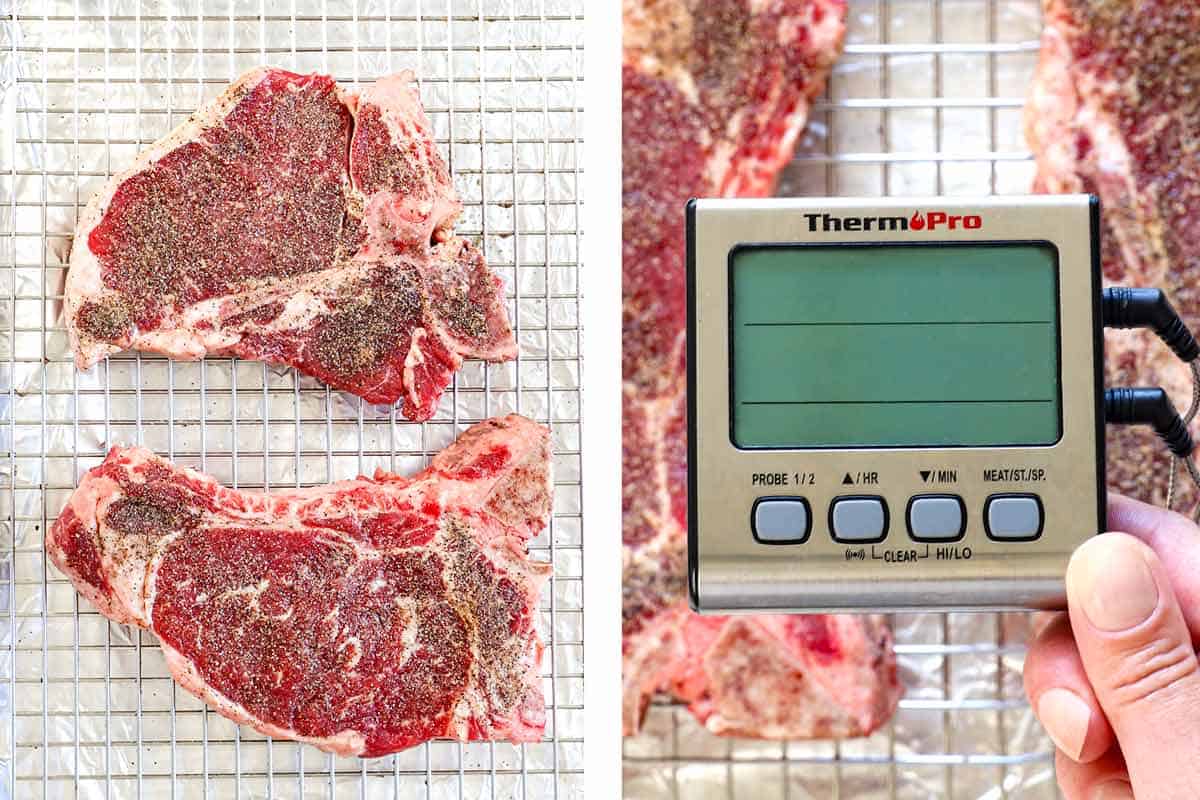
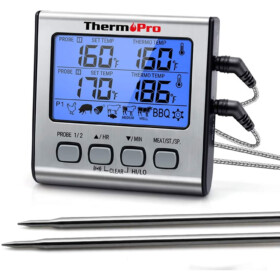
- Bake: When ready to bake, preheat the oven to 275°F. Insert a digital probe thermometer into the steaks if you have one (this is my FAV). Bake in the middle rack until the internal temperature reaches: 100ºF (35-38ºC) for rare, 105ºF (41ºC) for medium-rare, 115ºF (46ºC) for medium, 125ºF (49-52ºC) for medium-well.Start checking the internal temperature at 15 minutes and quickly close the oven door. Better yet, use a digital probe thermometer to eliminate guesswork. Baking can take 15-30 minutes, depending on thickness and desired doneness.
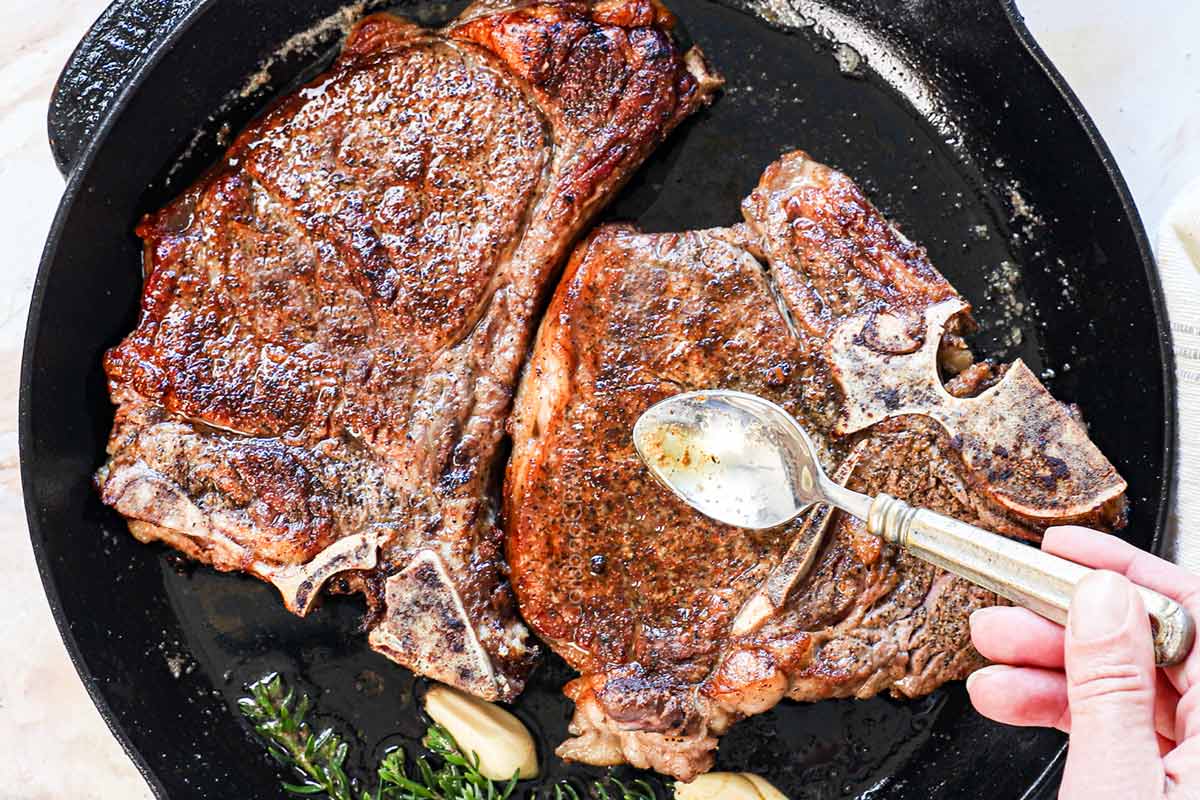
- Pan Sear: Heat a 12-inch cast iron skillet over high heat. Once it starts to smoke lightly, add the vegetable oil and swirl to coat. Add the steaks and sear for 1-2 minutes per side, until a deep golden-brown crust forms. Using tongs, turn the steaks over to sear all edges.
Baste with Butter
- Add butter & garlic: Reduce the heat to medium. Add the butter, garlic, and fresh herbs to the pan.
- Check for doneness: Check the internal temperature, then sear each side for 1 minute at a time while tilting the pan and spooning butter over the top, until the internal temperature reaches 120 to 125°F (49 to 52 °C) for medium-rare (or see all temps below if needed).115°F (46ºC) for rare, 120 to 125°F (49 to 52ºC) for medium-rare, 130 to 135°F (54 to 57ºC) for medium, 140 to145ºF (63 to 66ºC) for medium-well.
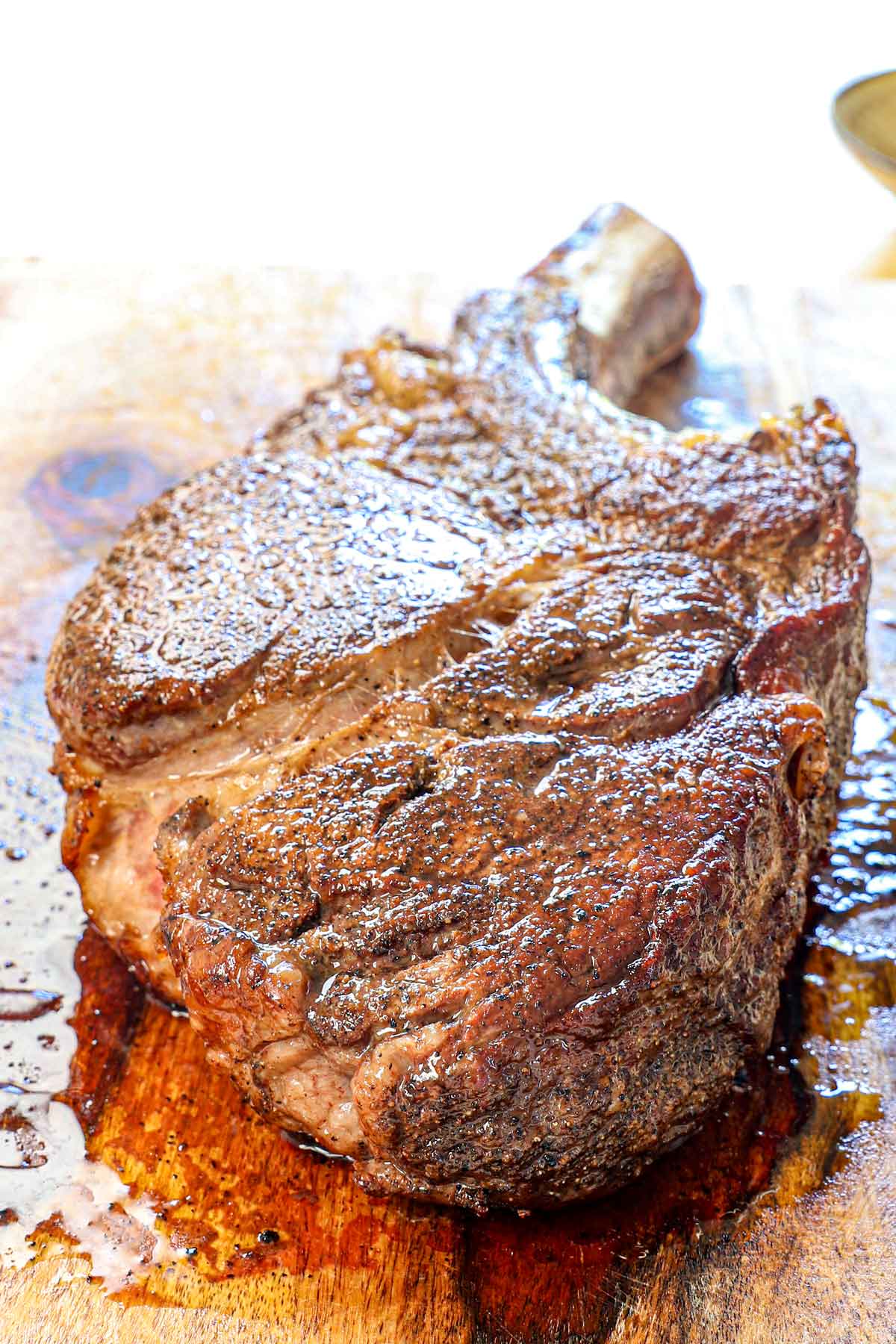
- Rest: Immediately after basting, transfer the steaks to a plate or cutting board, then baste with butter once more. Let them rest for at least 10 minutes before slicing against the grain.
Notes
| Doneness | Bake Until | Sear Until | Let Caryover To |
| Rare | 100ºF (35-38ºC) | 115°F (46ºC) | 120-125ºF (49-52ºC) |
| Medium-Rare | 105ºF (41ºC) | 120-125°F (49-52ºC) | 125-130ºF (52-54ºC) |
| Medium | 115ºF (46ºC) | 130-135°F (54-57ºC) | 135-140ºF (57-50ºC) |
| Medium-Well | 125ºF (49-52ºC) | 140-145°F (60-63ºC) | 145-150ºF (63-66ºC) |
Want To Make This Recipe?

Did You Make This Recipe?
Tag @CarlsbadCravings and Use #CarlsbadCravngs
Leave a Review, I Always Love Hearing From You!

Elizabeth says
We made this for Father’s Day on Sunday, and it was delicious. My husband says he wants this steak every year. Thanks for a delicious recipe and for making a new Father’s Day tradition in our home.
Jen says
What a wonderful compliment—thank you Elizabeth! I’m so happy the steak was such a hit that it’s earned a spot in your Father’s Day tradition. Here’s to many more delicious Father’s Day steaks in the years to come!
Jessica B. says
My daughters and I made this on Sunday for Father’s Day using ribeye. We followed the recipe exactly, and it came out great. My husband loved it!
Jen says
Thank you so much Jessica! I love hearing that your daughters helped make this steak for Father’s Day, so sweet, and I’m so glad he loved it!