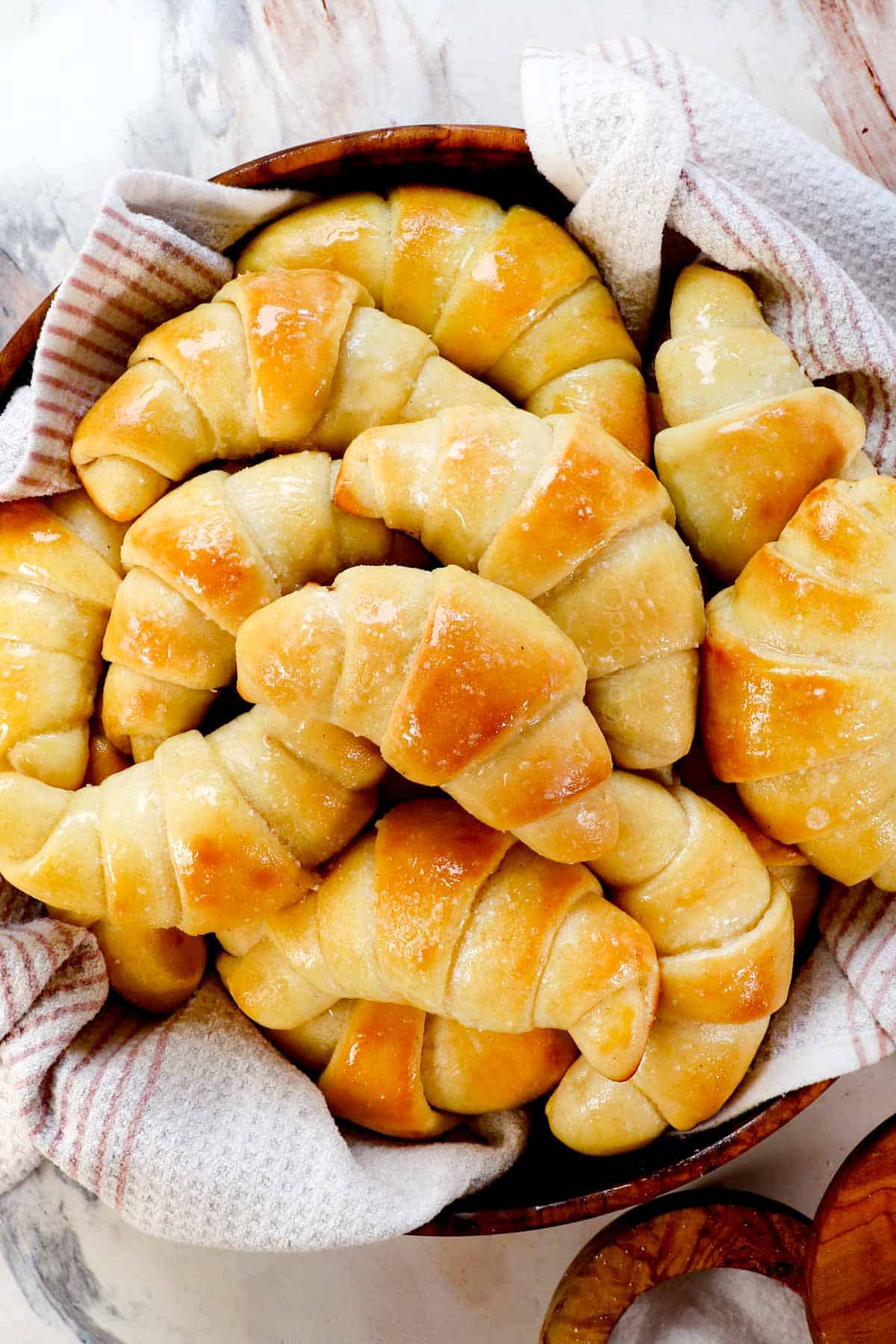
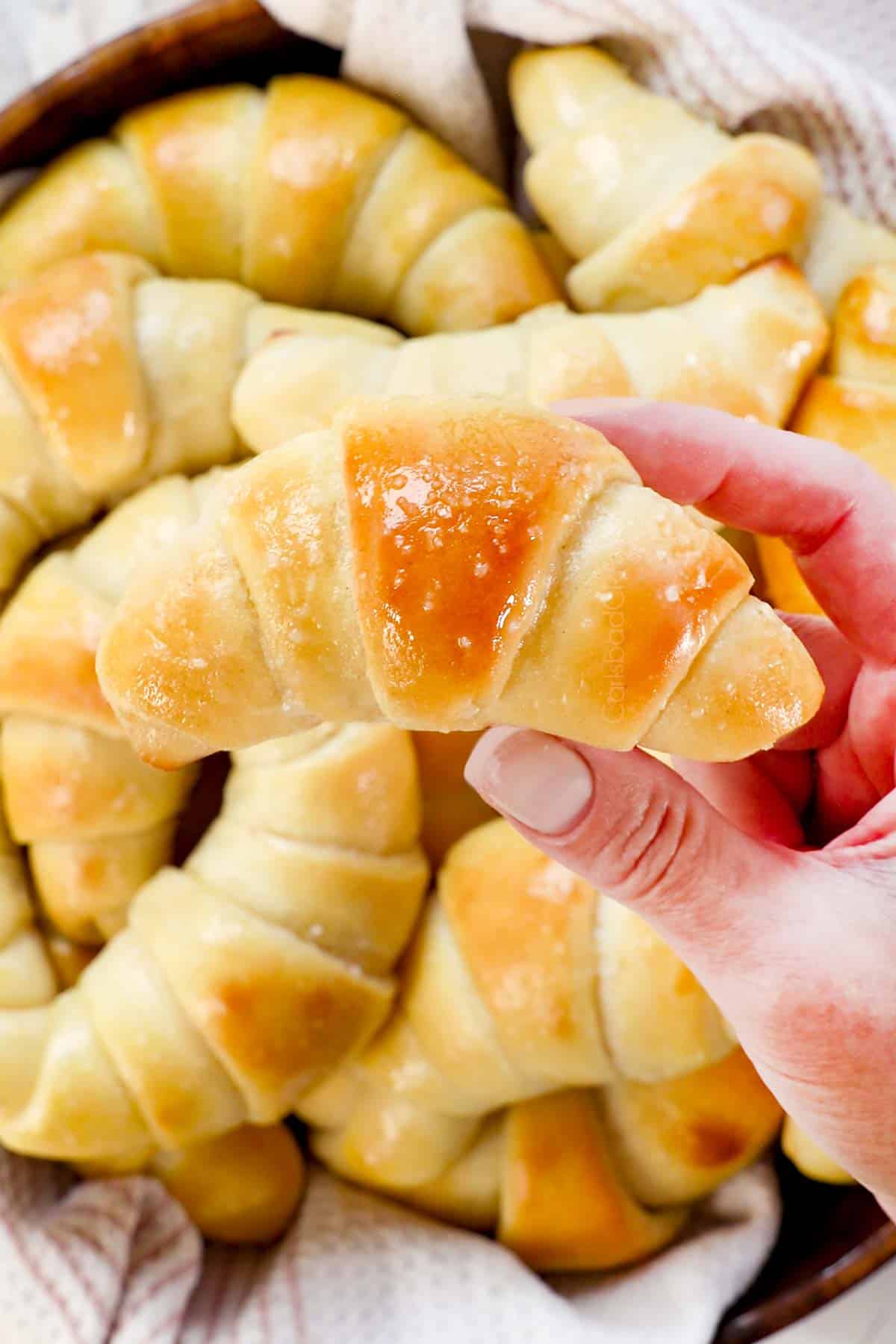
These Homemade Crescent Rolls are soft, buttery, and golden—and ready in under 2 hours. A clever shortcut skips the all-day wait, while make-ahead options and my expert tips make these the holiday rolls the easiest showstopper on your Thanksgiving table.
PIN THIS RECIPE TO SAVE FOR LATER


Why This Crescent Roll Recipe Works
When my sister-in-law brought her mom’s tried-and-true speedy crescent rolls to Thanksgiving, we all fell in love—most crescent recipes take three hours and two rises, but hers were ready in a fraction of the time. I took her dough into my test kitchen and fine-tuned it for the softest, most buttery results, and these are the decisions that got me there.
• NO FIRST RISE needed—a generous dose of yeast does the heavy lifting, so the dough goes straight from kneading to shaping and you’re done in under 2 hours instead of 3+.
• A 15-MINUTE REST relaxes the gluten so the dough rolls into thin, even rounds without shrinking back—the step that makes a quick dough work for crescents.
• BRUSHING BUTTER on each round before cutting creates a defined spiral and richer flavor in every pull-apart layer.
• AN ENRICHED DOUGH bakes up soft, tender, and lightly sweet, with deep golden tops and no dense, bready bites.
• BUILT-IN MAKE-AHEAD flexibility lets you shape the night before or freeze the crescents, then bake them fresh when you need them.

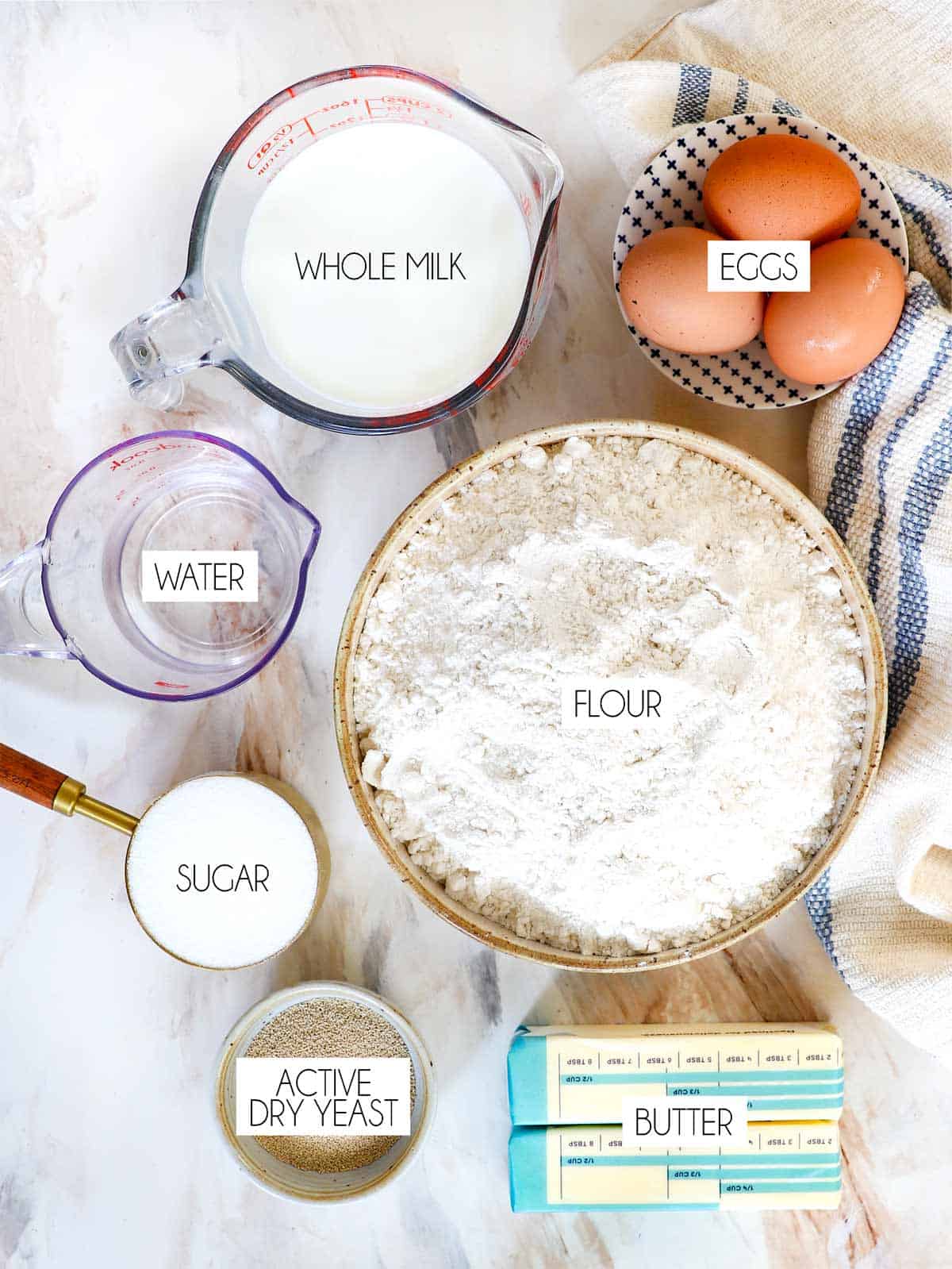
Crescent Roll Dough Ingredients
Let’s take a closer look at some key ingredients you’ll need to make this recipe (measurements in the printable recipe card at the bottom of the post):
Substitutions for Homemade Crescent Rolls

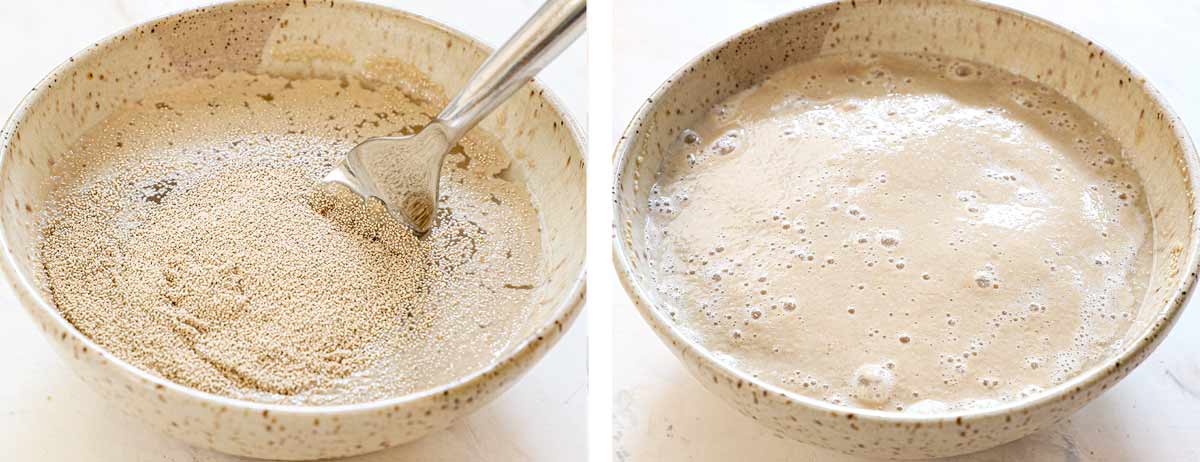
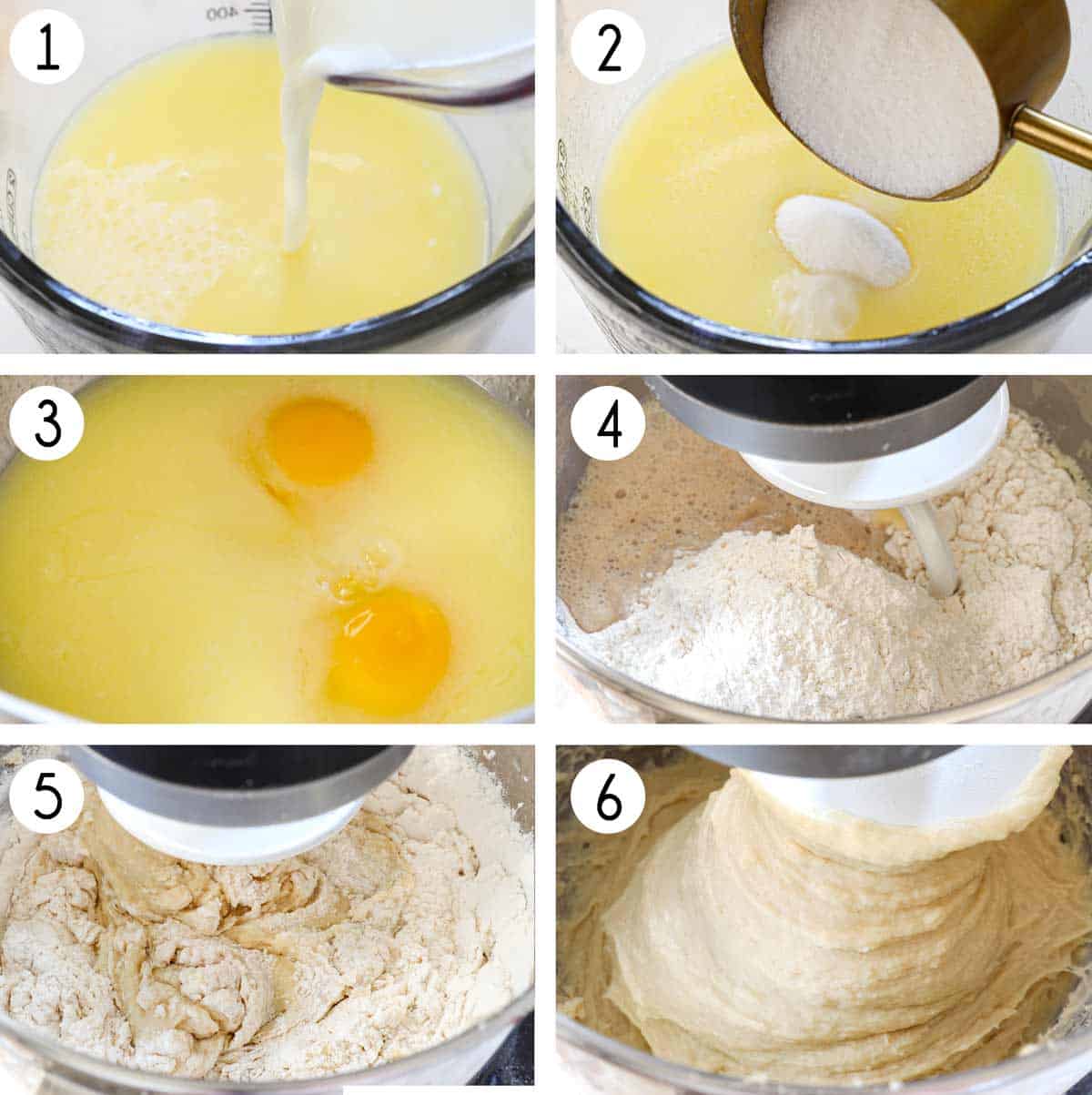
How to Make Crescent Rolls
Let’s take a closer look at how to make this recipe with step-by-step photos (full recipe in the printable recipe card at the bottom of the post):
How to Roll Crescent Rolls
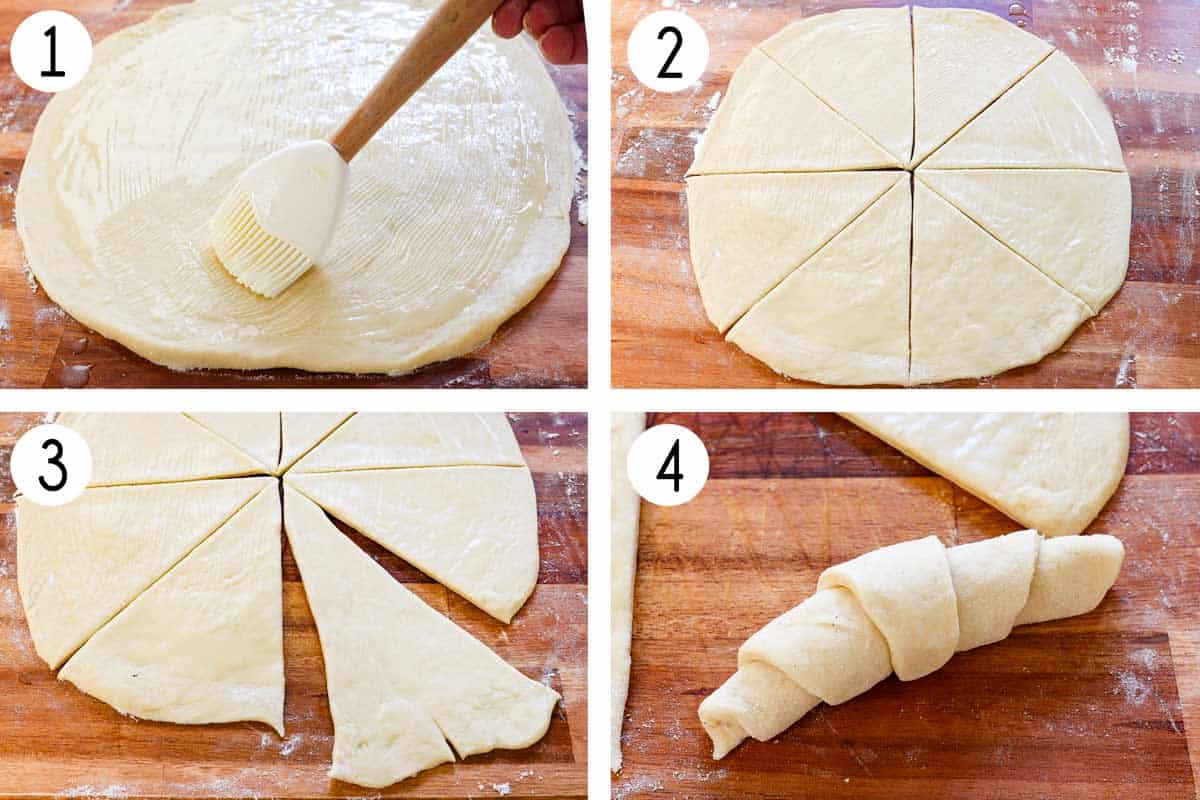
This is the step that makes them crescents, and it’s easier than it looks.

Tips for Soft, Fluffy Crescent Rolls
• Check the milk temperature: Microwaved milk heats unevenly and can hit 130°F+ fast, which kills yeast and can scramble the eggs. No thermometer? It should feel warm, not hot, on your wrist.
• Trust a tacky dough: This dough feels softer and stickier than a typical bread dough, and that’s what keeps the rolls tender. Stop adding flour once it clears the sides of the bowl.
• Let stubborn dough rest: If a round keeps shrinking as you roll, cover it for 5 minutes and try again. Fighting it only toughens the dough.
• Roll loosely: Tightly rolled crescents bake up dense and can burst at the seams. A loose roll gives the dough room to puff into distinct layers.
• Watch the dough, not the clock: With this much yeast, crescents can over-rise quickly in a warm kitchen and lose their shape in the oven. They’re ready when a gentle poke springs back slowly.
• Bake one sheet at a time: The sugary dough browns quickly, so bake on the center rack. If the tops darken before the centers hit 190°F, tent loosely with foil.

Crescent Roll Variations
• Garlic herb: Stir minced garlic, chopped parsley, and grated Parmesan into the butter you brush on before rolling. These are perfect for pasta night or soup.
• Cinnamon sugar: Brush with butter, sprinkle generously with cinnamon sugar, then roll. Drizzle with a quick powdered sugar glaze for a holiday-morning treat.
• Cheese-filled: Scatter shredded Gruyère, sharp cheddar, or Parmesan over the buttered round before cutting.
• Honey butter: Swap the final butter brush for melted butter mixed with honey and a pinch of flaky salt.
• Everything bagel: Brush with egg wash and sprinkle with everything bagel seasoning before baking.
• Size it up or down: Divide the dough into 3 rounds for 24 larger rolls (bake 15–18 minutes), or cut 12 wedges per round for bite-sized crescents for a party platter.
• Additions: Roll a cocktail sausage or half a hot dog into each wedge for homemade pigs in a blanket, or add a strip of ham and Swiss for a ham and cheese crescent.


Make-Ahead Thanksgiving Rolls
• Shape the night before: Cover the shaped crescents tightly with plastic wrap and refrigerate up to 12 hours. Let them rise at room temperature 45–60 minutes, until puffy, then bake.
• Freeze unbaked: Freeze shaped crescents on the baking sheet until firm, then transfer to a freezer bag for up to 1 month. Arrange on a lined sheet, cover, and thaw overnight in the fridge, then let rise 1–2 hours before baking.
• Bake while the turkey rests: Set the rolls out to rise when the turkey comes out of the oven. Turn the oven to 375°F, and they’ll bake during the turkey’s 30–45 minute rest.
• Bake earlier in the day: Bake up to 6 hours ahead, then rewarm wrapped in foil at 350°F for 5–8 minutes just before dinner.

How to Store and Freeze Crescent Rolls
• Room temperature: Store in an airtight container or zip-top bag for up to 2 days.
• Skip the fridge: Refrigerating bread makes it go stale faster, so keep these on the counter or in the freezer.
• Freeze baked rolls: Cool completely, then freeze in a freezer bag for up to 3 months.
• Reheat: Wrap in foil and warm at 350°F for 5–8 minutes (10–15 minutes from frozen). For a single roll, microwave 10–15 seconds wrapped in a damp paper towel.

What to Serve with Crescent Dinner Rolls
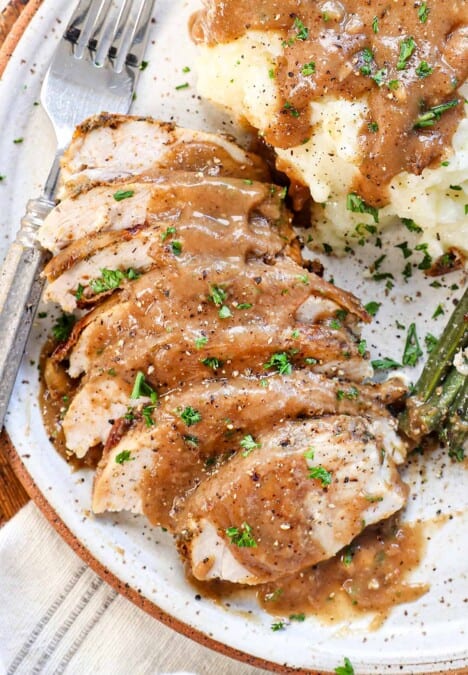
Holiday mains: Roast turkey, glazed ham, or my Mom’s Pot Roast with Carrots and Gravy—the rolls are perfect for mopping up every drop of gravy.
Potatoes: Slow Cooker Mashed Potatoes, Cheesy Potatoes, or Gruyère Scalloped Potatoes.
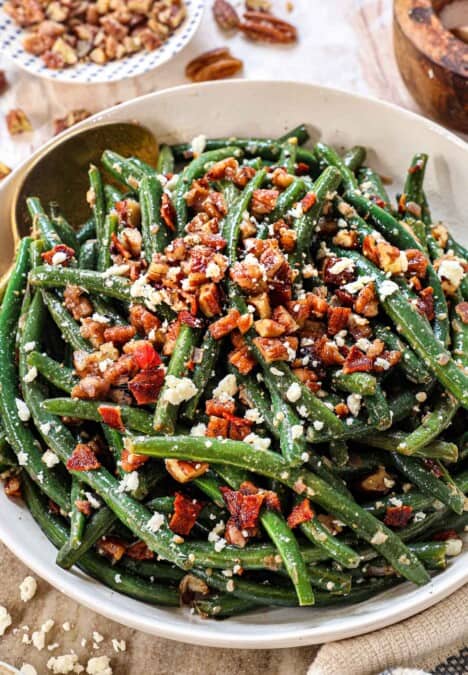
Vegetables: Dijon Maple Green Beans, Roasted Butternut Squash, or Maple Dijon Brussels Sprouts and Butternut Squash.
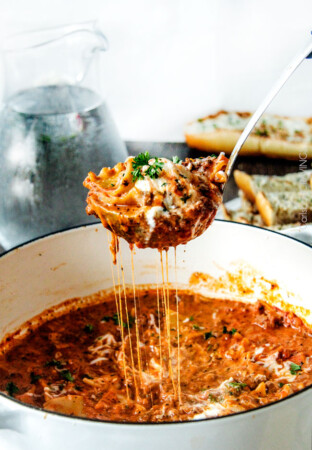
Soups: Turn a bowl of Minestrone, Lasagna Soup, or Chicken Tortilla Soup into a cozy weeknight dinner.
Want more homemade bread recipes? Try my Soft Fluffy Dinner Rolls.
What to Serve with Crescent Dinner Rolls
Homemade Crescent Rolls FAQs
No. These are soft and pillowy with a buttery spiral. Store-bought crescents get their flakiness from layers of fat folded into the dough, and making that at home takes hours of chilling and folding, like croissants.
Crescents are rolled thin, brushed with butter, and spiraled, so they’re more buttery with visible layers. Dinner rolls are shaped into balls for a fluffier, more uniform crumb, like my Soft Fluffy Dinner Rolls.
Bake at 375°F for 12–15 minutes, until deep golden and 190°F in the center. Larger rolls need 15–18 minutes.
Yes. Cut each round into 12 smaller wedges and roll a cocktail sausage into each, or cut 8 wedges for halved hot dogs. Bake at 375°F for 12–15 minutes, until golden.
Yes. Stir the dough together with a wooden spoon, then knead by hand on a lightly floured counter for 8–10 minutes. A bench scraper helps with the sticky early stage—resist adding too much flour.
The yeast was likely expired or the milk was too hot. A cold kitchen also slows rising—let the rolls rise in the oven with just the light on.
Yes. Halve every ingredient and use 1 egg to make 16 rolls.


Want more homemade bread recipes?
Soft Fluffy Dinner Rolls
Skillet Cornbread
Best Cornbread
Garlic Breadsticks
WANT TO TRY THIS crescent roll recipe?
PIN IT to your recipe BOARD TO SAVE FOR LATER!
FIND ME ON PINTEREST FOR MORE GREAT RECIPES! I AM ALWAYS PINNING :)!
©Carlsbad Cravings by CarlsbadCravings.com

Easy Buttery Crescent Dinner Rolls
Save This Recipe To Your Recipe Box
You can now create an account on our site and save your favorite recipes all in one place!
Ingredients
Yeast
- 2 tablespoons active dry yeast (just under 3 packets)
- 1/2 cup warm water, 105–110°F
Dough
- 1/2 cup (1 stick) unsalted butter
- 1½ cups whole milk
- 1/2 cup granulated sugar
- 2 large eggs, at room temperature
- 5½ cups (690g) all-purpose flour, plus more as needed
- 2 teaspoons table salt
For shaping and finishing
- 6 tablespoons unsalted butter, melted and divided
- 1 egg plus 1 tablespoon water, for egg wash
- Fine sea salt for sprinkling
Instructions
- Proof the yeast. Stir the yeast into the warm water and let it stand 5-10 minutes, until foamy. If it doesn’t foam, the yeast is dead. Start over with fresh yeast.
- Warm the milk mixture. Melt ½ cup butter in a large liquid measuring cup or microwave-safe bowl. Add the milk and microwave for 30-seconds, then 15-second bursts until it’s 105–110°F. Stir in the sugar until it dissolves. If it overshoots, let it cool before moving on. Whisk in the eggs until fully combined.
- Mix the dough. Pour the milk mixture into the bowl of a stand mixer. Add the yeast mixture and 4 cups of flour. Using the paddle attachment, mix on low for about 1 minute, until a thick, shaggy batter forms. Switch to the dough hook and mix on low for 5 minutes, until smooth.
- Knead. Add the remaining 1½ cups flour and the salt. Knead on medium-low for 5 minutes. If the dough still sticks to the sides of the bowl after a minute or two, add more flour 1 tablespoon at a time, just until it pulls away (most batches need no more than ¼ to ½ cup extra). The dough should feel soft and slightly tacky but not stick to your fingers, and it should spring back slowly when poked. Too much flour makes dense rolls, so stop adding as soon as the dough comes together.
- Rest. Cover the bowl and let the dough rest for 15 minutes. Meanwhile, line 3 baking sheets with silicone mats or parchment.
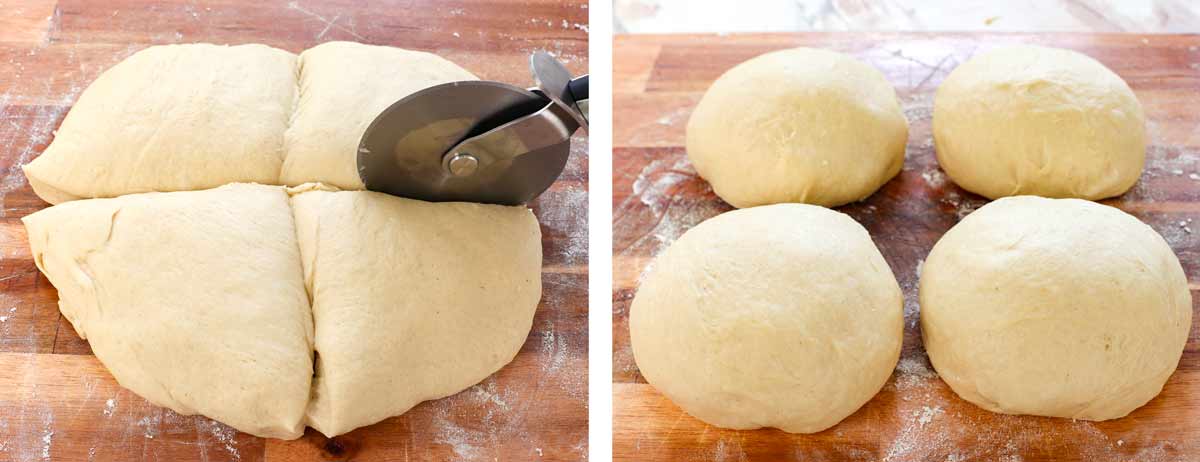
- Roll. Divide the dough into 4 equal pieces (about 385g each). On a lightly floured surface, roll one piece into a 12-inch circle about ¼ inch thick, keeping the rest covered. If it springs back, let it rest 5 minutes.
- Butter and cut. Brush with 1 tablespoon of melted butter, leaving a ½-inch border. Cut into 8 wedges with a pizza cutter.
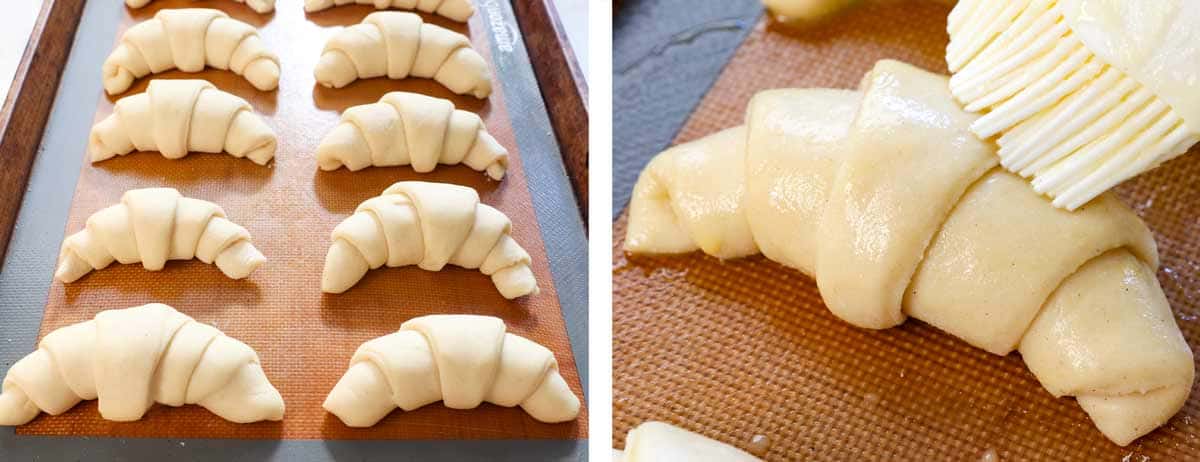
- Shape. Cut a ½-inch slit in the center of each wide end and gently stretch the wedge longer. Roll loosely from the wide end to the point. Place point-side down on the baking sheet, curve the ends into a crescent, and space 2 inches apart. Repeat with the remaining dough.
- Rise. Cover loosely and let rise in a warm spot for 20–30 minutes, until puffy and about 1½ times bigger. Meanwhile, preheat the oven to 375°F.
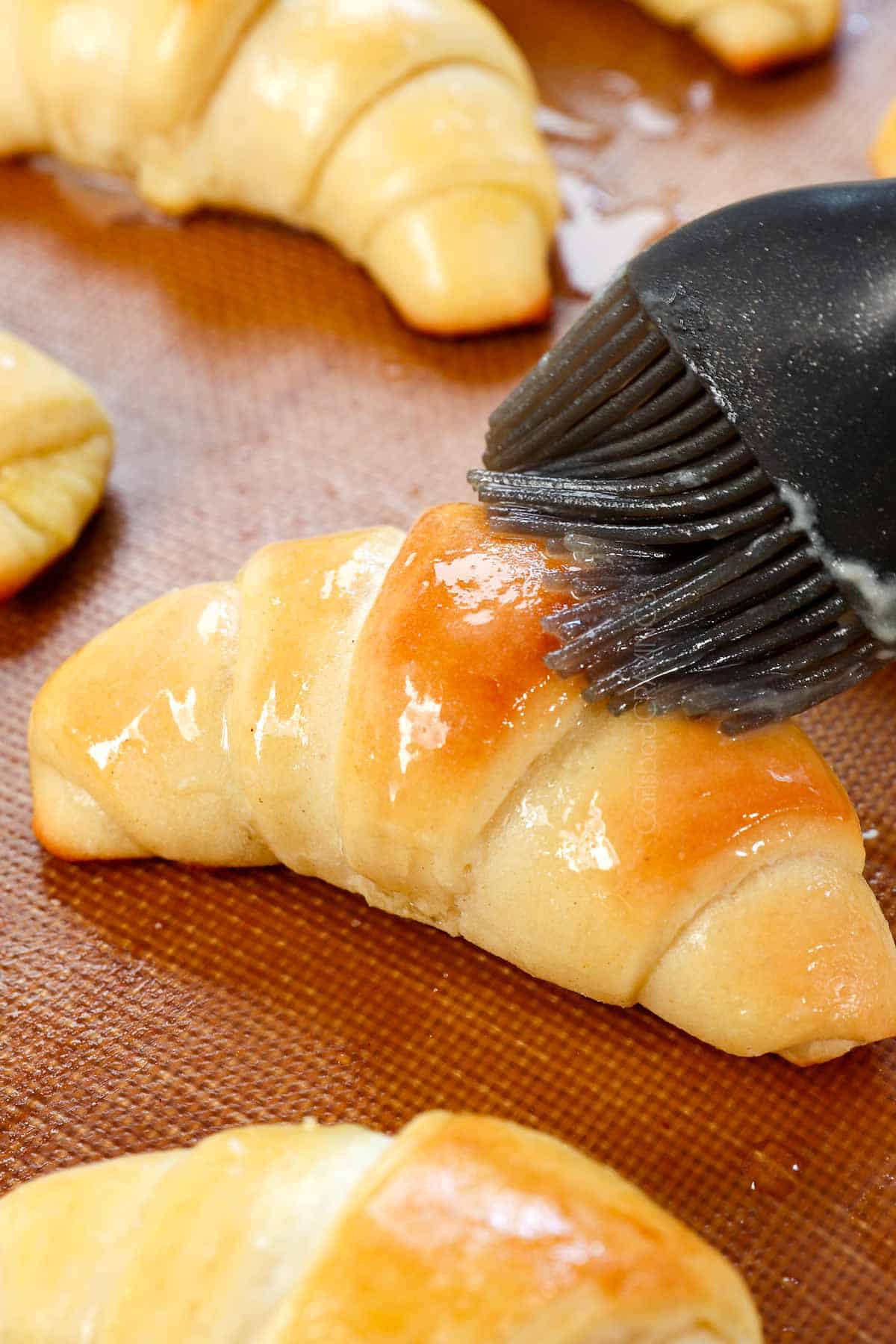
- Bake. Brush with egg wash, if using. Bake one sheet at a time for 12–15 minutes, until deep golden and 190°F in the center.
- Finish. Brush the hot rolls with the remaining melted butter and sprinkle with flaky salt.
Notes
- Make ahead: Refrigerate shaped crescents, tightly covered, up to 12 hours. Let rise at room temperature 45–60 minutes before baking.
- Bake ahead: Bake up to 6 hours ahead and cool completely. Before serving, wrap in foil and rewarm at 350°F for 5–8 minutes, then brush with melted butter.
- Freeze unbaked: Freeze shaped crescents until firm, then bag for up to 1 month. Thaw covered in the fridge overnight and let rise 1–2 hours before baking.
- Freeze baked: Freeze up to 3 months. Reheat wrapped in foil at 350°F for 10–15 minutes.
- Slower-rise option: For more developed flavor, use 1 tablespoon yeast. After kneading, place the dough in a lightly greased bowl, turn to coat, cover tightly, and let rise until doubled, about 1 hour, before dividing and shaping.
Want To Make This Recipe?

Did You Make This Recipe?
Tag @CarlsbadCravings and Use #CarlsbadCravngs
Leave a Review, I Always Love Hearing From You!








leave a review