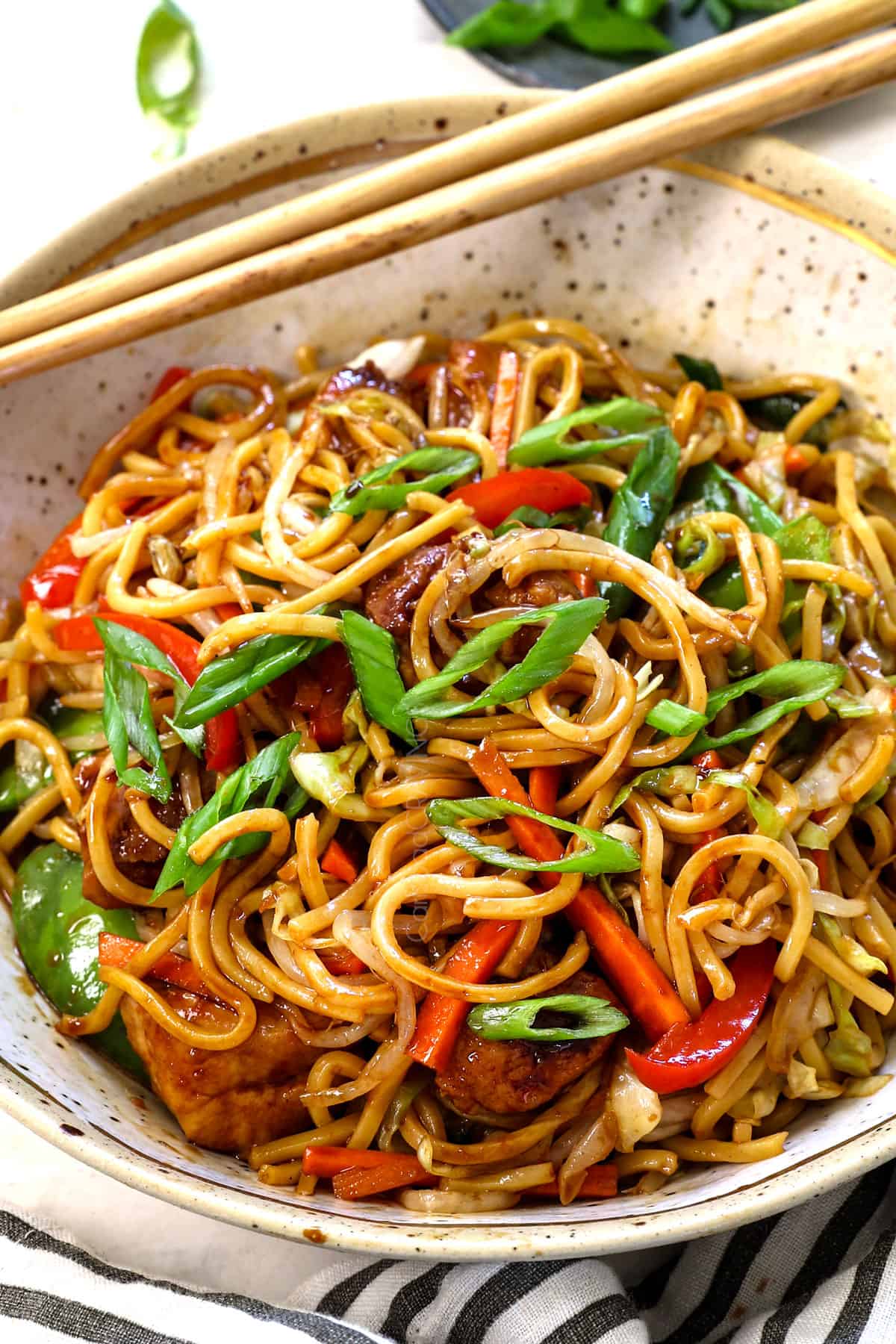
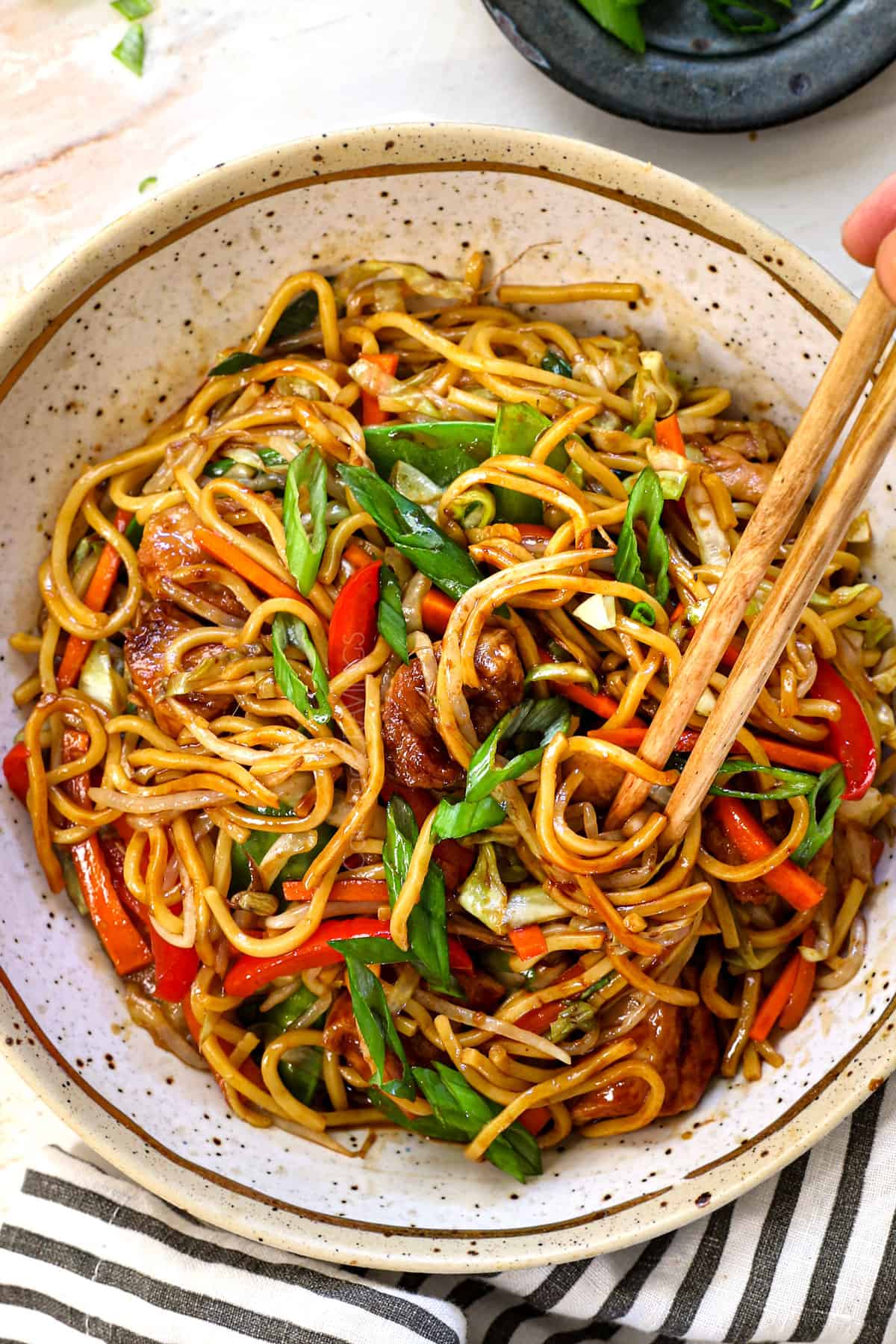
These Chicken Lo Mein noodles are silky, saucy, and packed with savory flavor—the Chinese takeout favorite that’s easy to make any night of the week. A simple noodle technique keeps every strand slippery instead of sticky, while a deeply savory homemade sauce, extra-juicy chicken, and my expert tips make this lo mein worth making again and again.
Chicken Lo Mein
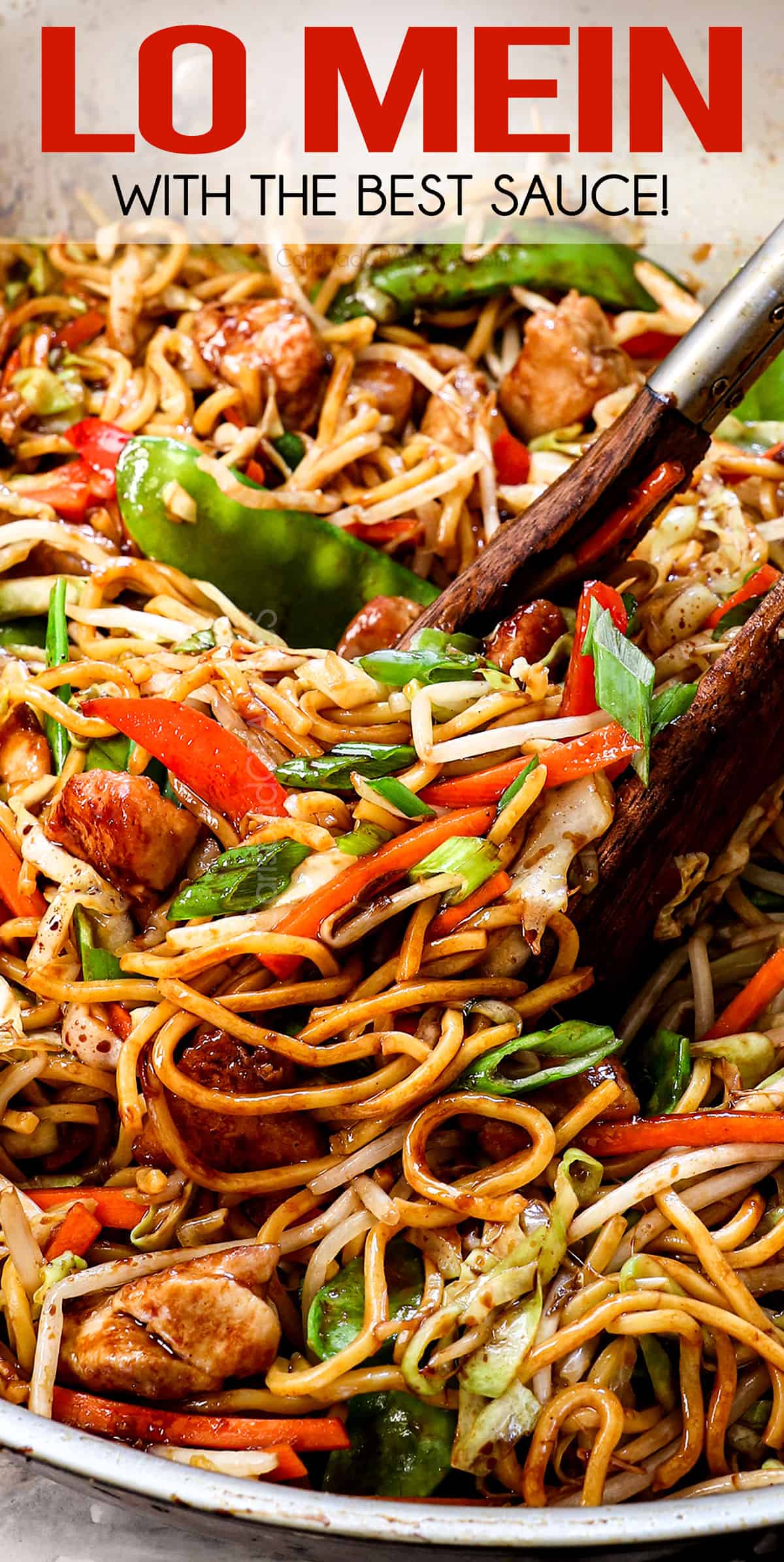

Why you’ll love Chicken Lo Mein Recipe
After making lo mein more times than I can count, I’ve dialed in the techniques that make this version silky, deeply savory, and completely craveable.
•Velveting the chicken: a quick cornstarch-soy marinade seals in moisture so every piece stays juicy, never dry or rubbery.
•Rinsing and oiling the noodles: stops them from clumping or turning gummy, so every strand stays slippery like your favorite takeout.
•A layered sauce: soy, oyster sauce, and a touch of five-spice build real depth instead of one-note saltiness.
•A splash of chicken broth in the wok: keeps the noodles saucy without watering down the flavor.
•High heat, one skillet: everything cooks fast enough to stay crisp-tender, on the table in about 30 minutes.
•Endlessly customizable: swap the protein or vegetables and the formula still works.

what is lo mein?
Lo mein (捞面) means “tossed noodles” in Cantonese, and it’s exactly that: thick, springy egg noodles boiled until tender, then tossed—not fried—with a stir-fried mix of protein, vegetables, and sauce. It’s one of the older dishes on the American Chinese takeout menu, brought over by Cantonese immigrants in the 19th century and adapted over time into the comfort-food staple most of us grew up ordering.
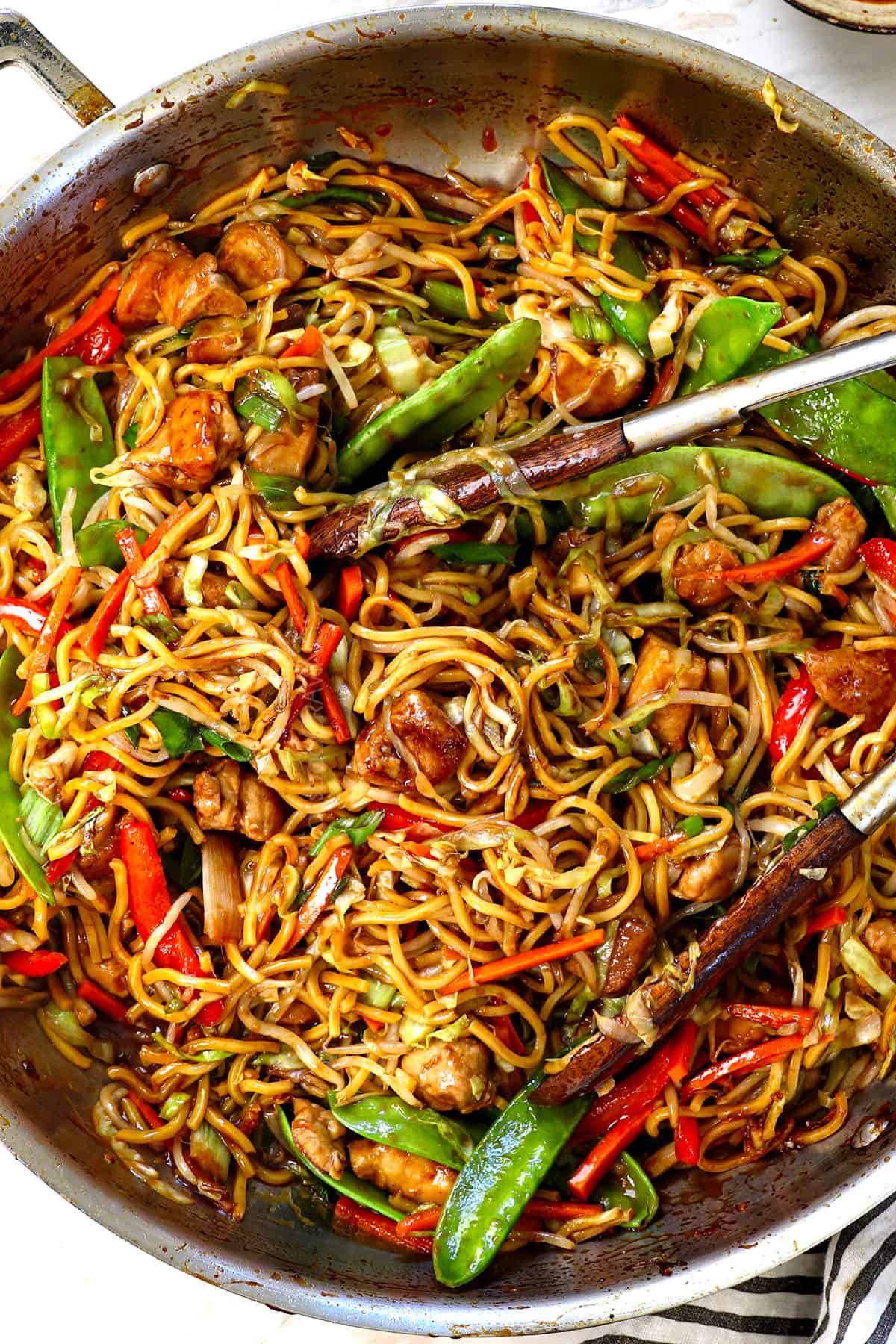
The dish it’s most often confused with, chow mein, comes from a different cooking method rather than a different noodle: chow mein noodles are pan-fried until some edges crisp, while lo mein noodles stay soft and get their flavor from soaking in the sauce after cooking. That’s the whole distinction—once you know it, the two are easy to tell apart on any menu.

Ingredients You’ll Need
Let’s take a closer look at key ingredients you’ll need to make this recipe (measurements in the printable recipe card at the bottom of the post):
For the Chicken Marinade
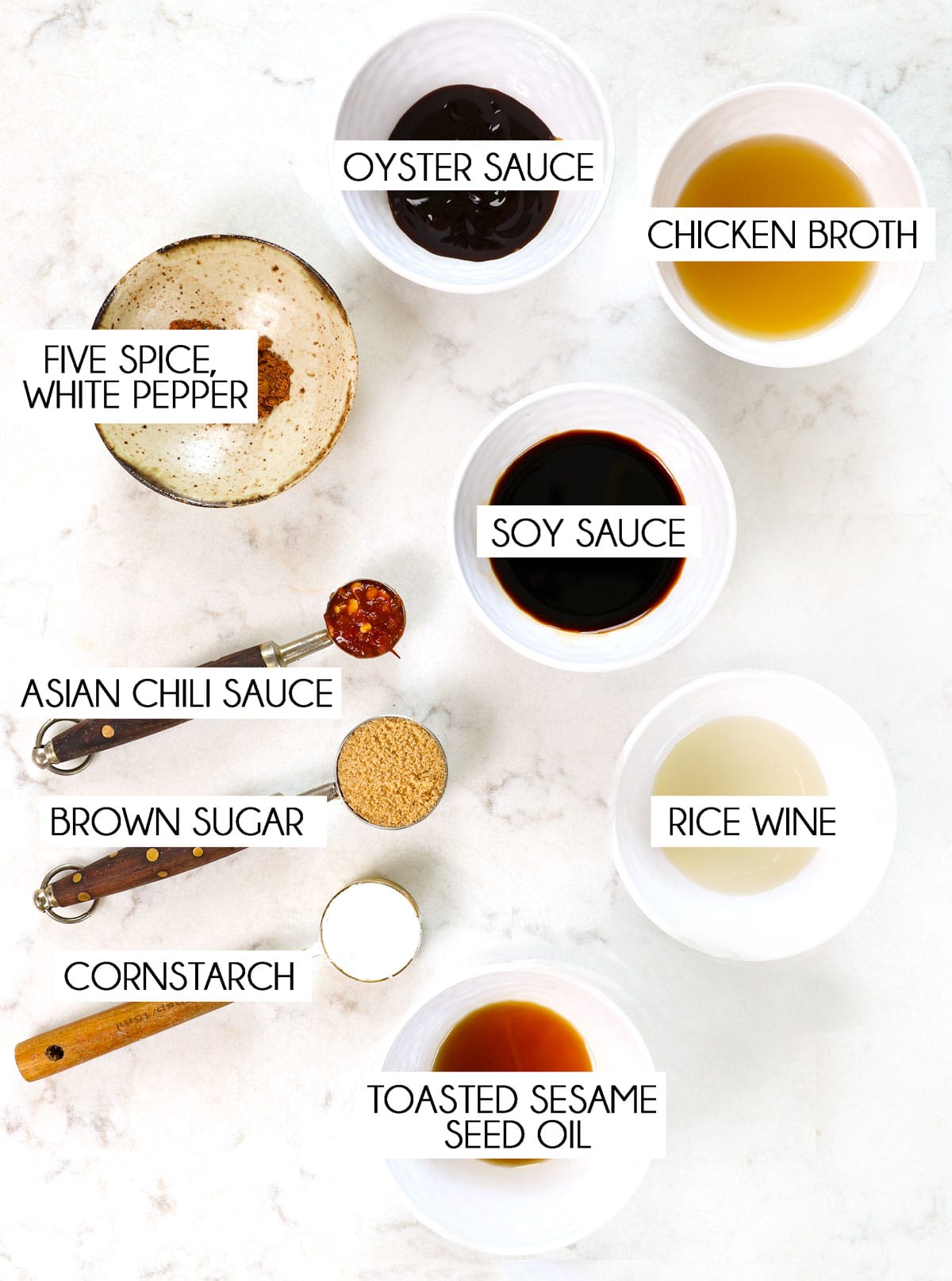
For the Lo Mein Sauce.
For the Stir-Fry
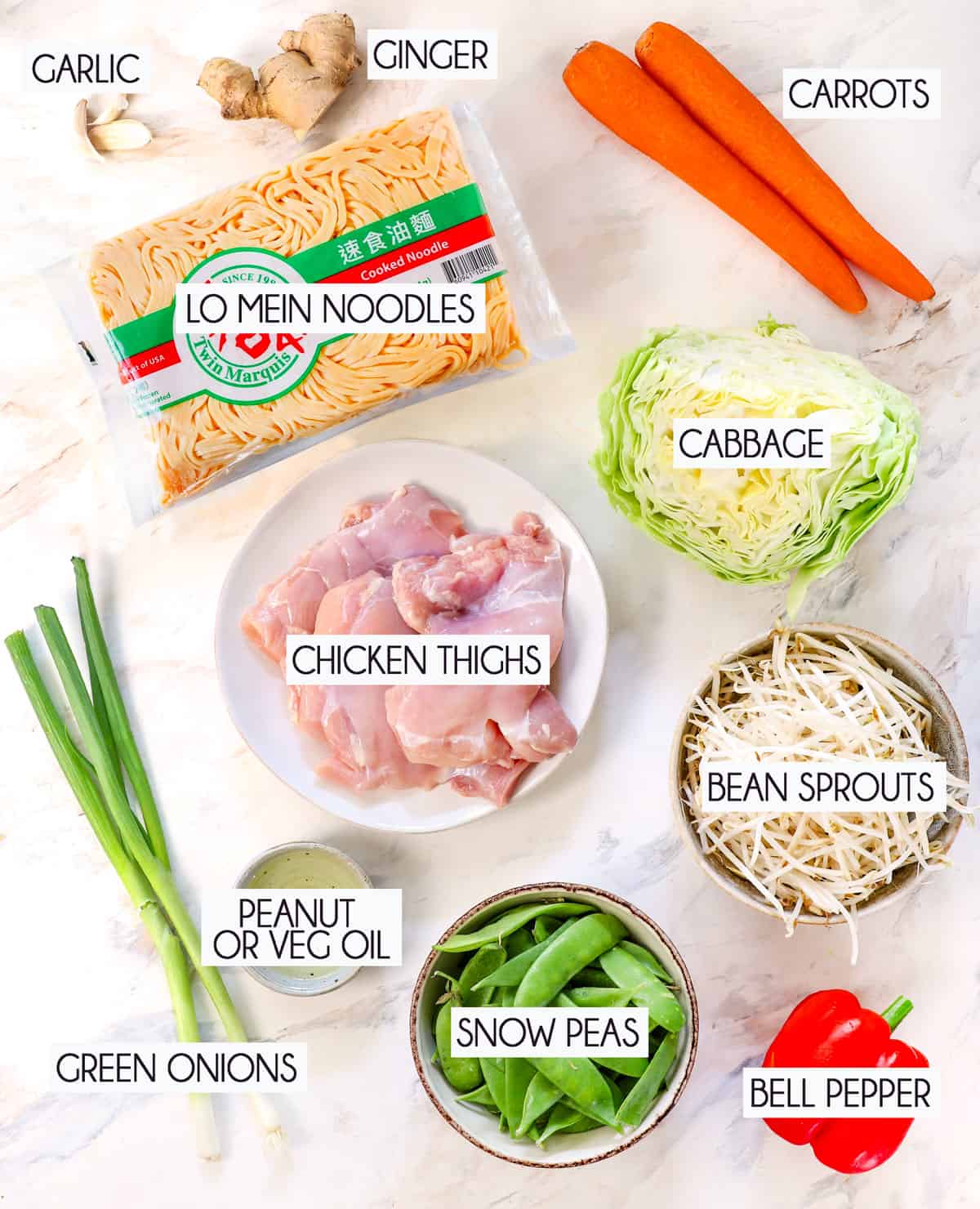
You can use your own mix of 5 cups packed vegetables, or this traditional pairing:

Substitutions
•No fresh lo mein noodles? Fresh yakisoba, chow mein noodles, or any fresh Chinese egg noodle works the same way. Dried lo mein or spaghetti noodles work in a pinch, but expect a slightly less slippery texture since they don’t hold sauce quite the same way.
•Dark soy sauce: if you can’t find it, use all light/regular soy sauce plus an extra pinch of brown sugar for color and depth—it won’t be identical, but it’s close.
•Oyster sauce (for shellfish allergies): a vegetarian “stir-fry sauce” or mushroom-based oyster sauce substitute works, though the flavor will be milder.
•Chicken: swap in shrimp, beef, pork, or tofu—same marinade and sauce, see Variations for exact swaps.
•Vegetables: any quick-cooking vegetable works as long as you keep the total around 5 packed cups—broccoli, mushrooms, zucchini, and water chestnuts are all good options.
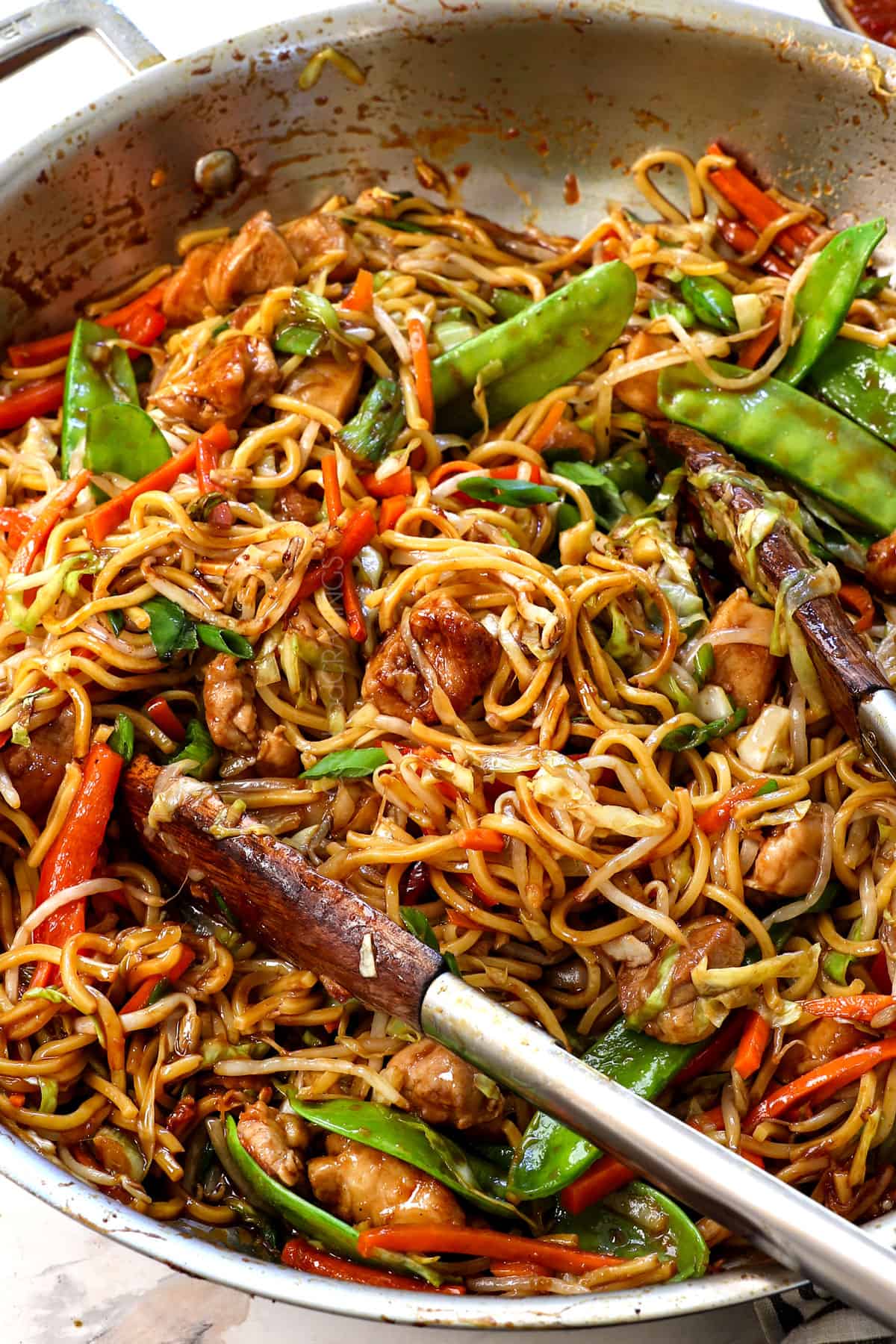

how to make lo mein noodles
Let’s take a closer look at how to make this recipe with step-by-step photos (full recipe in the printable recipe card at the bottom of the post):


TIPS for Making Chicken Lo Mein
•Have everything prepped before you turn on the heat. Stir-frying moves fast, and you won’t have time to chop once the wok is hot.
•Use the widest, heaviest pan you own. A wok, stainless braiser, or cast iron skillet holds heat better than a nonstick pan, which matters for getting a real sear instead of steaming the chicken.
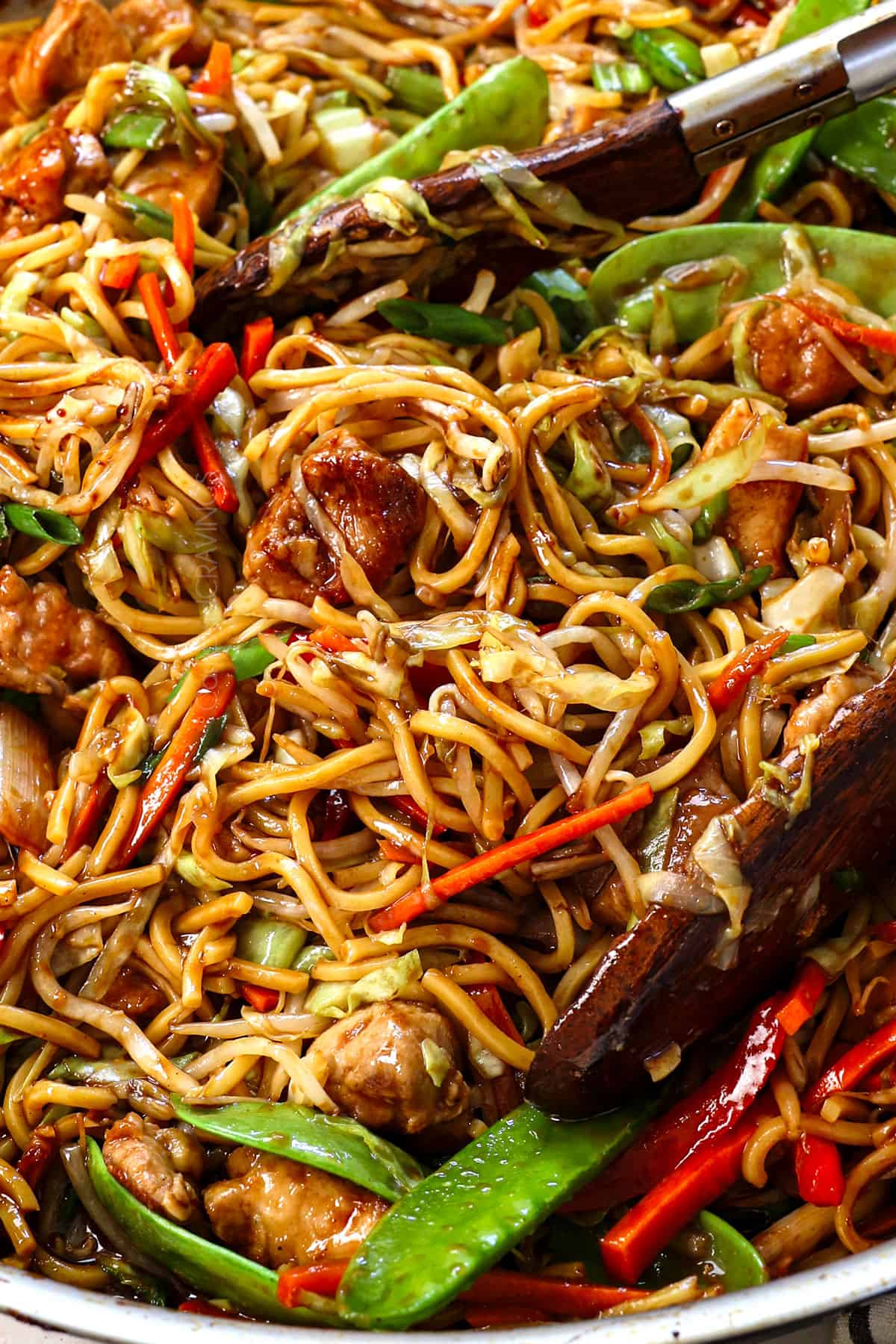
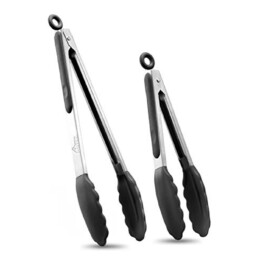
•Toss, don’t stir. Sweeping the noodles up and over with tongs coats them evenly; stirring in circles just pushes sauce to the bottom.
•If the noodles start sticking or look dry, add broth 2 tablespoons at a time—not more sauce, which will make it overly salty.
•Don’t walk away from the garlic and ginger. They go from fragrant to burnt in seconds over high heat.

variations
This lo mein recipe is easy to customize – add protein, swap veggies, etc. Here are a few ideas:
•Swap the protein: shrimp (marinate 10 minutes, cook 1-2 minutes per side), thinly sliced beef or pork tenderloin (marinate 10 minutes to overnight), or tofu for a vegetarian version.
•Swap the noodles: ramen, yakisoba, or even spaghetti noodles work if lo mein noodles aren’t available.
•Additions: mushrooms, broccoli, zucchini, or water chestnuts all stir-fry well alongside the vegetables already in the recipe.
•Turn up the heat: extra chili sauce, red pepper flakes, or a scattering of sliced fresh chilies on top.

Storage & Reheating
•Refrigerate: in an airtight container up to 5 days—the noodles stay chewy and don’t turn mushy.
•Reheat on the stove: medium-low heat in a skillet with a splash of water or broth to loosen the sauce back up.
•Reheat in the microwave: 1 minute, then 15-second bursts, stirring between each, until warmed through.
•Skip the freezer: the noodles lose their texture and the sauce can separate once thawed, so this one’s best fresh or refrigerated.

How to serve Lo Mein Recipe
Appetizers: Chicken Lettuce Wraps or Crab Rangoon before the main
Another Chinese takeout favorite: Orange Chicken, or Mongolian Beef if you want a second protein on the table.
A light soup: egg drop soup or hot and sour soup rounds out the meal the way a takeout order would.
Lo Mein Faqs
Lo mein is a Chinese noodle dish made with thick egg noodles that are boiled, then tossed with stir-fried vegetables, protein, and sauce. “Lo mein” literally means “tossed noodles” in Cantonese.
The noodles are similar—it’s the cooking method that’s different. Chow mein noodles are pan-fried until some edges crisp; lo mein noodles are boiled and then tossed with sauce, so they stay soft throughout.
They’re wheat flour and egg noodles, which is what gives them their springy, chewy bite. Fresh yakisoba or Chinese egg noodles are the closest substitute if you can’t find noodles labeled “lo mein.”
Not as written—between the wheat noodles and regular soy sauce, this isn’t a gluten-free dish. You’d need gluten-free noodles and tamari or gluten-free soy sauce to make it work, and the texture will be a bit different.
Yes. The sauce keeps in the fridge up to 5 days, and you can chop the vegetables and aromatics up to 2 days ahead. I wouldn’t cook the noodles more than a few hours ahead, since they’re best tossed with the sauce while everything’s hot.
Lo mein uses long, round wheat noodles that are typically soft and chewy, while chow fun uses wide, flat rice noodles with a more delicate, silky texture. Chow fun is also gluten-free when made with traditional rice noodles, while lo mein is not.
Lo mein is a Chinese dish made with soft, chewy wheat noodles tossed with a savory sauce, vegetables, and often chicken, beef, pork, or shrimp. Pad Thai is a Thai stir-fried rice noodle dish with a distinctly sweet-tangy-savory sauce, typically made with tamarind, fish sauce, and sugar, and often finished with peanuts, lime, and bean sprouts.

WANT TO TRY THIS lo mein RECIPE?
PIN IT to your recipe BOARD TO SAVE FOR LATER!
FIND ME ON PINTEREST FOR MORE GREAT RECIPES! I AM ALWAYS PINNING :)!
©Carlsbad Cravings by CarlsbadCravings.com
Tools Used in This Recipe
See Favorite Tools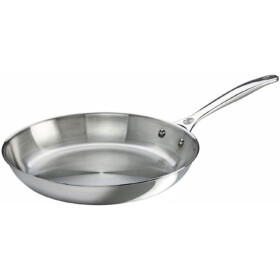

Homemade Chicken Lo Mein
Save This Recipe To Your Recipe Box
You can now create an account on our site and save your favorite recipes all in one place!
Ingredients
CHICKEN MARINADE
- 1 pound chicken thighs cut into bite-size pieces
- 1 tablespoon reduced sodium soy sauce
- 2 teaspoons cornstarch
- 1 teaspoon toasted sesame oil
- 1/8 teaspoon white pepper (may sub black)
- 2 tablespoons peanut or vegetable oil for cooking
Lo Mein Sauce
- 1/3 cup low-sodium chicken broth
- 2 tablespoons reduced sodium soy sauce
- 2 tablespoons dark soy sauce (may sub regular above)
- 3 tablespoons oyster sauce
- 1 1/2 tablespoons mirin/rice wine
- 1 tablespoon light brown sugar
- 2 tablespoons cornstarch
- 2 teaspoons toasted sesame seed oil
- 1-2 teaspoons Asian chili sauce (like sambal oelek or sriracha)
- 1/4 tsp EACH five spice powder, white pepper
STIR FRY (or use 5 cups packed veggies of choice)
- 16 ounces fresh lo mein noodles, Hokkien or other medium-thickness egg noodles (may sub dried, see notes)
- 1 1/2 tablespoons peanut or vegetable oil
- 3 green onions, white parts chopped into 1-inch pieces, green parts chopped 1/4-inch
- 2 cloves garlic, finely chopped (don’t mince or mash) (may sub ½ tsp ground in the sauce)
- 2 teaspoons freshly grated ginger (may sub ½ ground in the sauce)
- 1 red bell pepper, julienned
- 4 cups finely shredded green cabbage
- 2 carrots cut into matchsticks (¾ cup)
- 2 ½ cups mung bean sprouts
- 1 cup snow peas, ends trimmed
Instructions
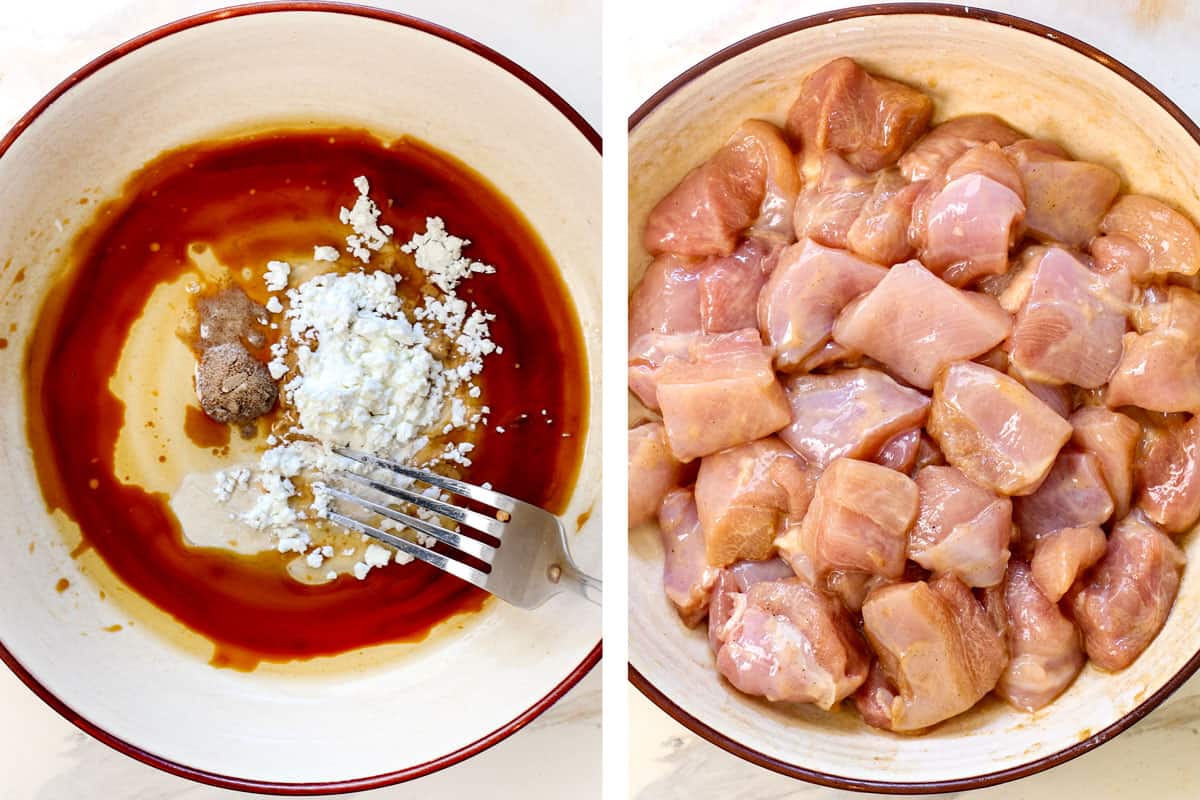
- Prepare chicken: Whisk together the Chicken Marinade ingredients in a medium bowl (soy sauce, sesame oil, cornstarch, pepper). Add chopped chicken and toss to coat evenly; set aside.
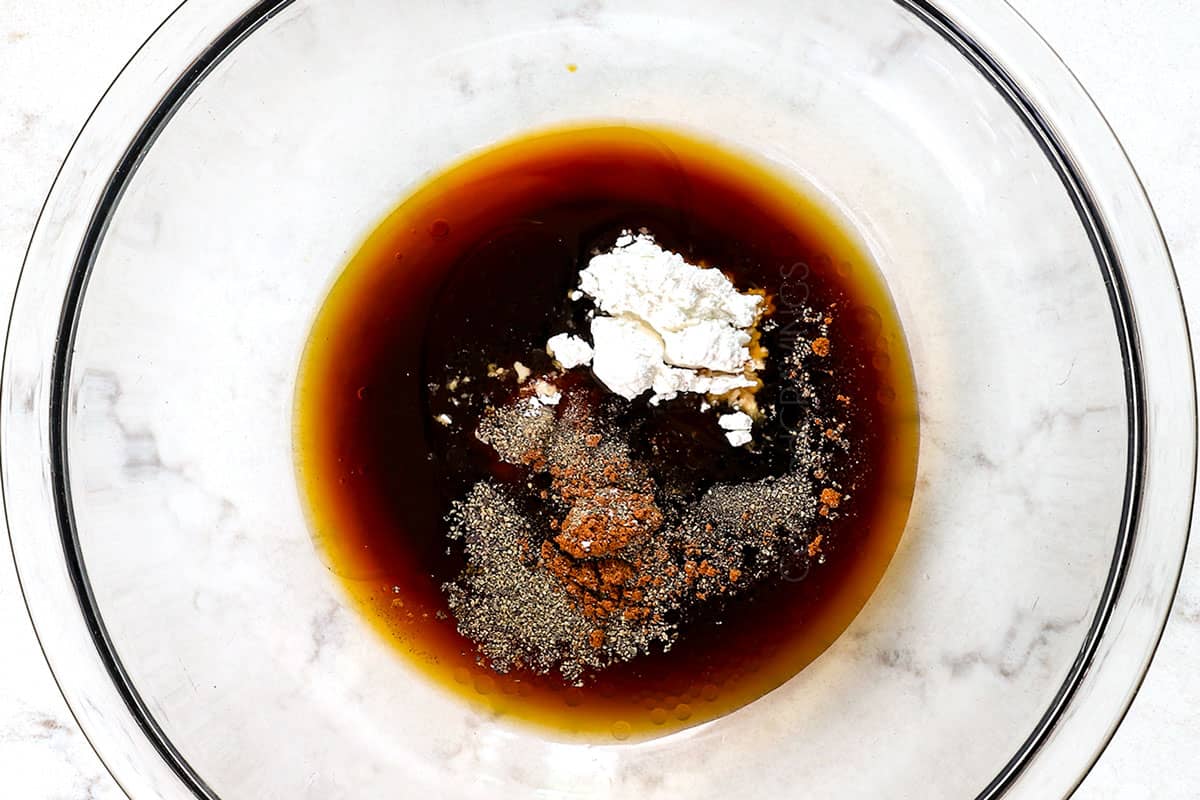
- Lo Mein Sauce: Mix the sauce ingredients together; set aside.
- Prepare noodles: For pre-cooked lo mein noodles, run them under hot tap water to separate, then drain well and toss with a drizzle of toasted sesame oil. For uncooked noodles, cook them in a large pot of boiling water until al dente, rinse with cold water, drain thoroughly, then toss with a drizzle of toasted sesame seed oil.
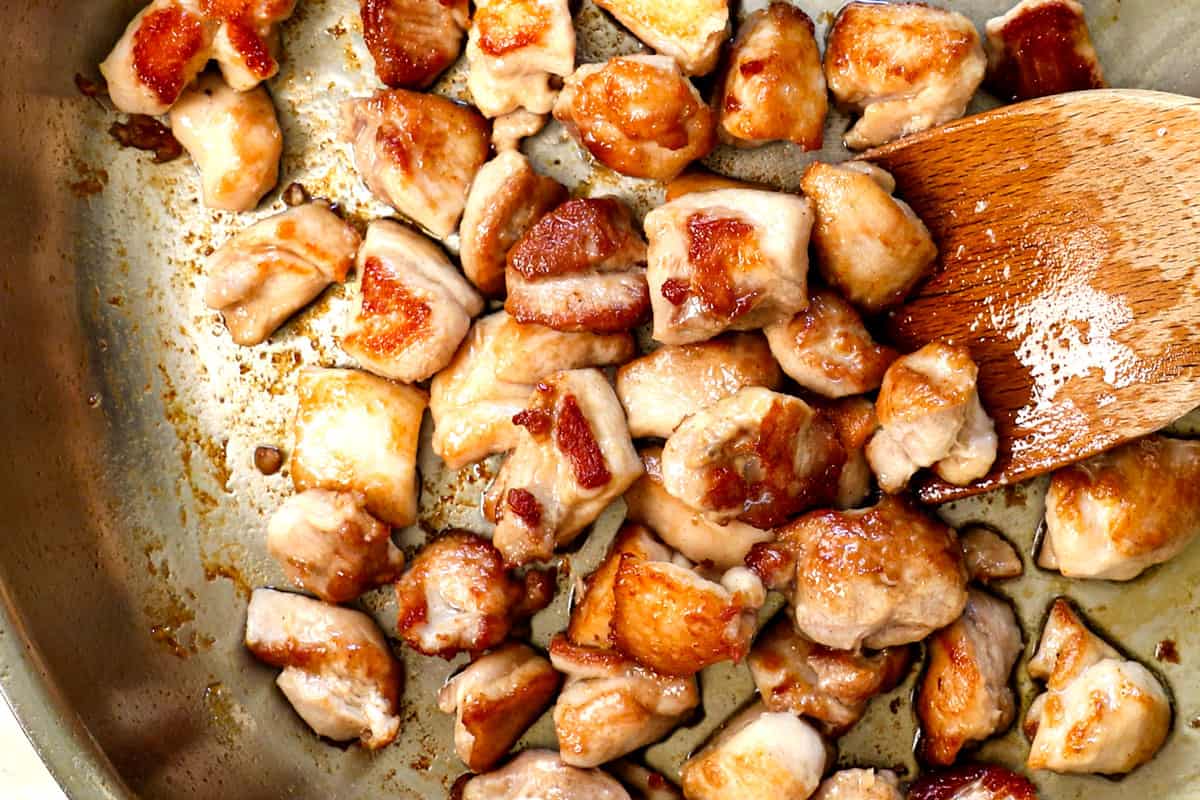
- Stir fry the chicken: Heat the oil in a large braiser, large stainless steel pan, or wok over medium-high heat. Sear the chicken until deeply golden on each side, then stir-fry until cooked through. Remove the chicken to a plate.
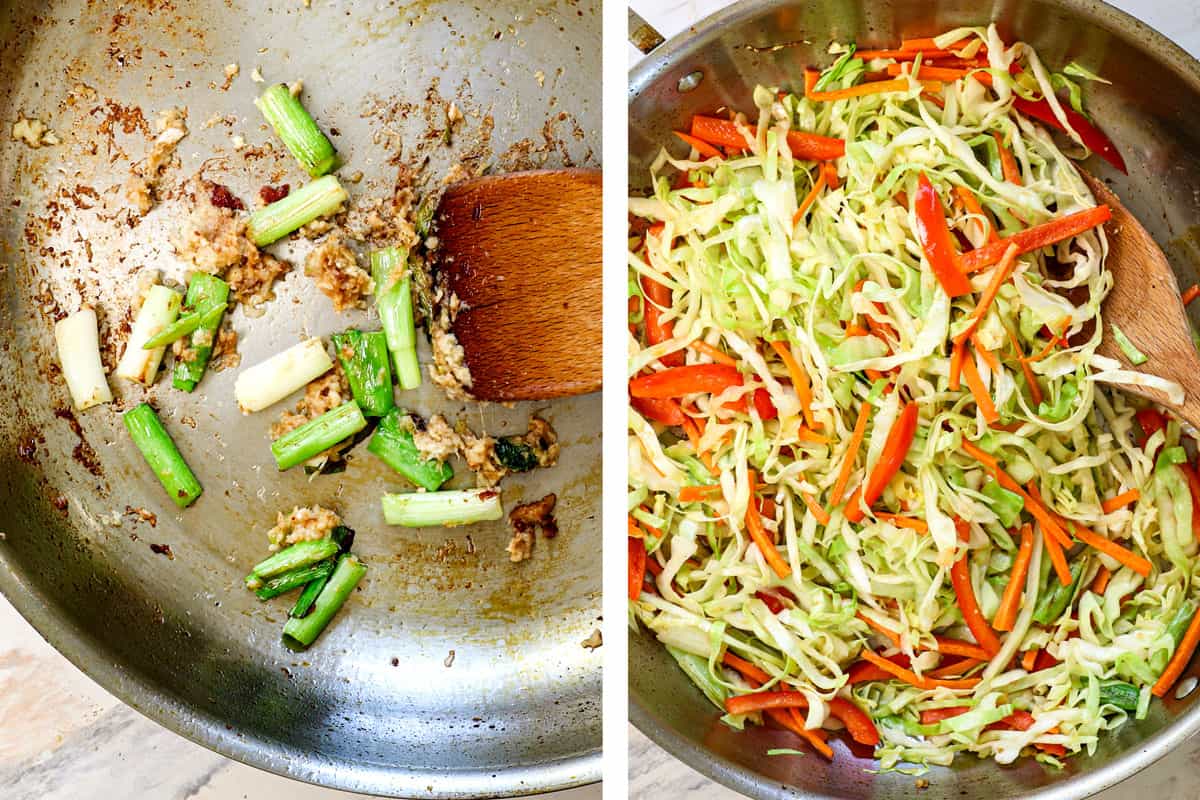
- Sauté aromatics: Heat another drizzle of oil in the pan. Add the WHITE parts of the green onions and sauté for 1 minute. Add the garlic and ginger, and stir fry for 10-15 seconds.
- Stir fry vegetables: Add the bell pepper, cabbage, and carrots and stir fry for 1 minute, adding another drizzle of oil if needed.
- Add noodles: Add the noodles and sauce, and stir fry for 1 minute by tossing the noodles with tongs.
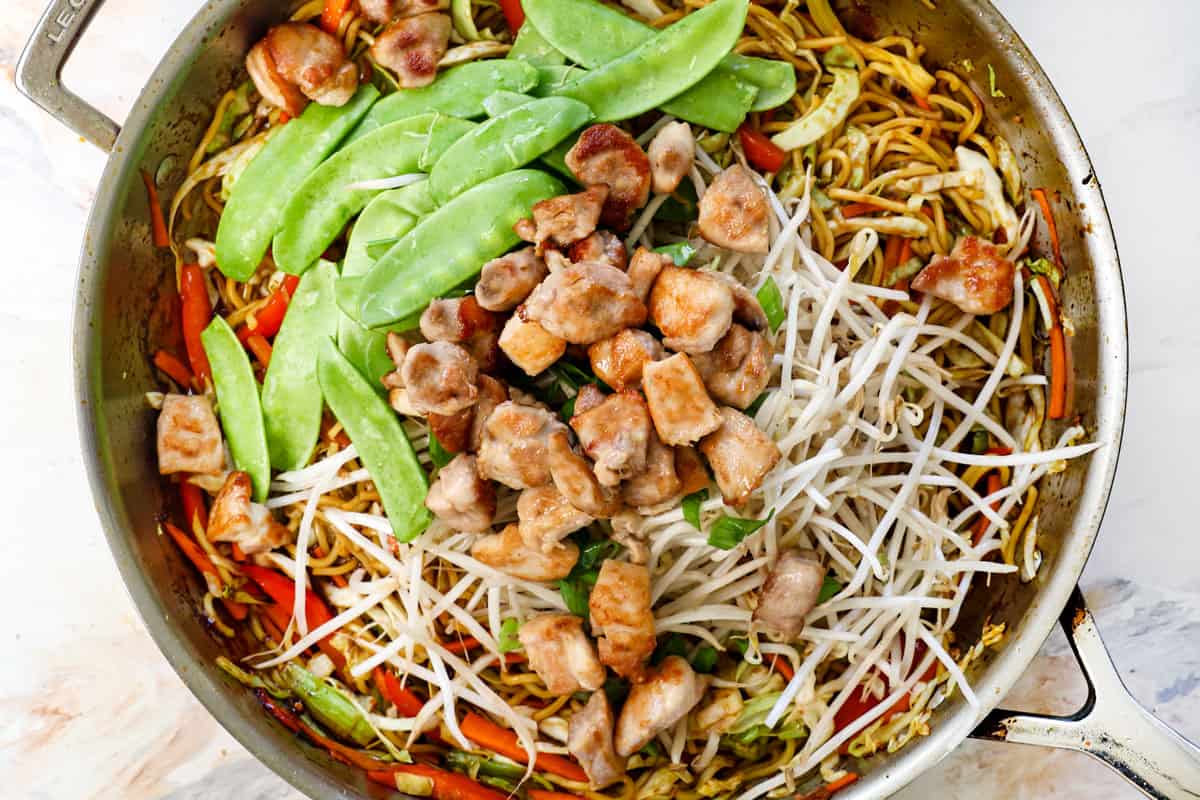
- Add sprouts: Add the chicken, bean sprouts, snow peas, and chopped green onion tops and toss to combine.
- Adjust to taste: Make it saltier with more soy, spicier with chili sauce, sweeter with brown sugar, etc., until it’s perfect for YOU!
Video
Notes
Lo Mein Noodles
You have two options when purchasing lo mein noodles: FRESH: This is the best option, with a slippery, chewy texture that readily absorbs the sauce. These are pre-cooked and are added directly to the pan.- They are located in the refrigerated section (sometimes the freezer, thaw first) of many grocery stores, usually near tofu, wonton wrappers, etc.
- Look for labels like “fresh lo mein noodles,” “stir-fry noodles,” or “Chinese egg noodles.” Bands like Twin Marquis or Ka-Me in the refrigerated section are reliable options
- Lo Mein Substitute: If you can’t find something labeled “lo mein,” the next best thing is fresh yakisoba noodles, chow mein noodles, or Chinese-style egg noodles—they’re often interchangeable for home cooking. Alternatively, use any noodle! Since the noodles are cooked before being added to the pan, any thickness or type of noodle will work—even spaghetti is a great option!
- Green onions: One green onion is considered the entire bunch, including all the shoots. The bottom white part and top green part will be added to the lo mein at different times.
- Rice wine: This adds a complex sweetness and depth of flavor. I use “Kikkoman Aji-Mirin: Sweet Cooking Rice Seasoning” which is commonly found in the Asian section of most grocery stores or you can Amazon it. The best substitute for rice wine is pale dry sherry. Do NOT substitute rice wine with rice vinegar, they are NOT the same. Rice vinegar will add an acidic bite without the sweetness.
Prep Ahead
- Noodles: If using dried noodles, they can be boiled, rinsed, and drained, and tossed with a drizzle of toasted sesame oil. Store in an airtight container or plastic bag in the refrigerator for up to three days.
- Sauce: Whisk the sauce ingredients together and store in an airtight container in the refrigerator for up to 5 days.
- Veggies and aromatics: Chop and store in separate airtight containers in the refrigerator for up to 2 days
Want To Make This Recipe?

Did You Make This Recipe?
Tag @CarlsbadCravings and Use #CarlsbadCravngs
Leave a Review, I Always Love Hearing From You!

Holly says
Delicious – loved this recipe. Quick and easy.
Small bit of feedback – the way the recipe is written, the noodles aren’t listed in the ingredients list, it’s only in the notes. Managed to not notice that until I was about to cook and realized I didn’t grab any noodles. Whoopsie!
Jen says
I’m sorry Holly! I updated the recipe!
Dawn says
Hi! I really want to try this. Are there any feasible options for substitutions for the oyster sauce?
Jen says
Hi Dawn! Thank you for your interest in this recipe! You can sub it with soy sauce- but please try it with oyster at some point- it really does make a difference.
Dave says
Looks like something I would love. Definitely going to try it. Can you switch chicken for steak?
Jen says
Yes, but slice it very thin and just give it a quick sear, taking care not to overcook. Enjoy!
Kim says
Looks like the best Lo Mein I’ve seen!!
Jen says
Thanks Kim, I’m excited for you to try it!
Joanna says
Oh my goodness, I just made your Chicken Lo Mein and it is officially out of this world! , it’s better than any takeout I’ve ever had. Yum!
Jen says
Yay Joanna! I’m thrilled to hear how much you enjoyed this dish! Thank you so much for leaving your comment!